Stories
257,000 Soldiers, Billions in Weapons: Why Saudi Arabia Can't Defeat Houthis
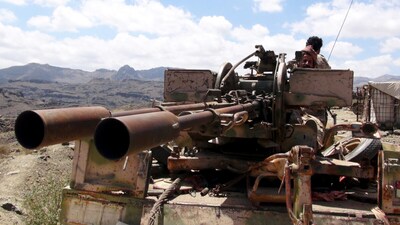
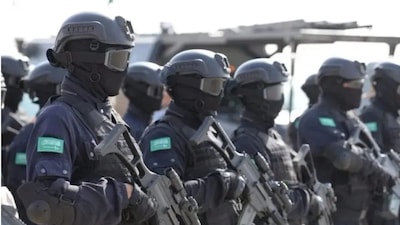
- •Despite billions in weapons and 257,000 soldiers, Saudi Arabia has failed to achieve a decisive victory against Yemen's Houthi rebels in a decade-long conflict.
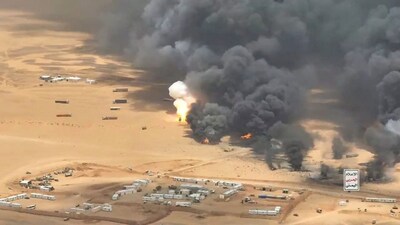
- •Houthis utilize mountains, caves, and difficult terrain, making it challenging for Saudi Arabia to locate and control them on the ground.
- •With weapons and military aid from Iran, Houthi missile and drone capabilities have significantly evolved, making them more dangerous than a light-armed group.
- •Saudi Arabia's strategy is hampered by disunity among local government forces and Yemeni factions fighting alongside it, leading to weak coordination.
- •Houthis use inexpensive drones and missiles, while Saudi Arabia deploys costly air defense systems, creating an economic imbalance that pressures the defender.
Key Questions Answered
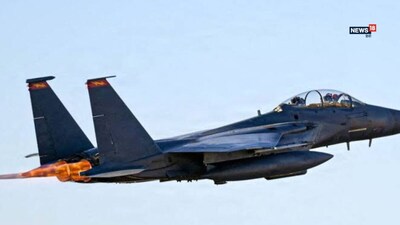
Saudi Arabia possesses billions in weapons and advanced fighter jets, but fighting a guerrilla force utilizing mountains, caves, and rugged terrain is extremely difficult. While Saudi Arabia has air superiority, finding enemies on the ground and holding territory is a major challenge. Furthermore, Houthi fighters use inexpensive drones and missiles, forcing Saudi Arabia to expend costly air-defense systems, creating an asymmetric economic pressure.
The Bab al-Mandeb Strait is a crucial route connecting Asia to Europe that the Houthis have leveraged. By capturing strategic areas and advancing along the Red Sea coastal regions, the Houthis gained the ability to disrupt international shipping and global geopolitics.
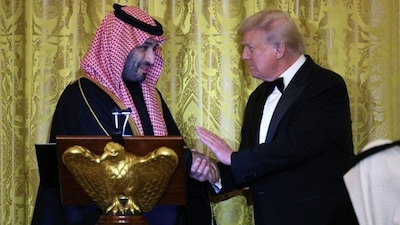
In September 2026, reports indicated that Crown Prince Mohammed bin Salman sought direct military assistance from US President Donald Trump against the Houthis. However, the US did not approve direct military attacks, instead continuing to provide intelligence and targeting assistance.