Stories
How Saudi Arabia's Security Outsourcing Policy Failed Against the Houthis
- •Saudi Arabia relied heavily on the United States and Pakistan for its national security for decades, outsourcing its defense rather than building a robust domestic military.
- •Expert Prof. Alvite Ningthoujam noted that neither the United States nor Pakistan came to Saudi Arabia's aid when Iran-backed Houthis began attacking the kingdom.
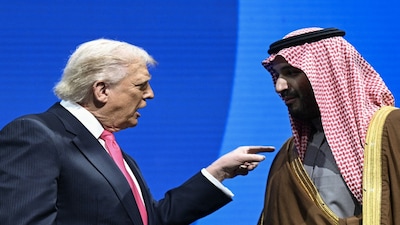
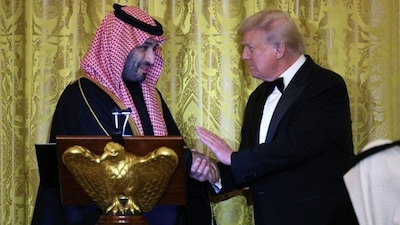
- •President Donald Trump refused intervention requests, and Pakistan did not initially condemn the attacks, exposing the failure of the kingdom's security strategy.
- •Saudi Arabia focused primarily on internal surveillance and suppressing dissent rather than developing external defense capabilities, leaving it vulnerable to the Houthi offensive.
- •Following the collapse of its traditional security partnerships, Saudi Arabia has shifted its military assistance efforts toward the United Kingdom and France.
Key Questions Answered
Saudi Arabia relied heavily on outsourcing security to the United States and Pakistan, which created a false sense of security and led the kingdom to neglect building a robust external defense military. When the Iran-backed Houthis launched their offensive, neither ally came to the kingdom's aid initially, exposing major flaws in Riyadh's strategic policy.
Saudi Arabia and Pakistan formalized their long-standing security partnership by signing a mutual defense agreement in 2025, which they subsequently expanded through the Mecca Agreement. Pakistan has historically been central to Saudi national security since the 1960s, having deployed thousands of troops and fought alongside the kingdom.
Following the inaction of traditional security guarantors like the United States and Pakistan during the Houthi offensive, Crown Prince Mohammed bin Salman turned to the United Kingdom and France for military assistance and air defense support.