Stories
Why the Gomti River is causing massive floods in Lucknow
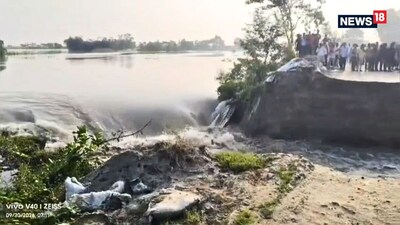
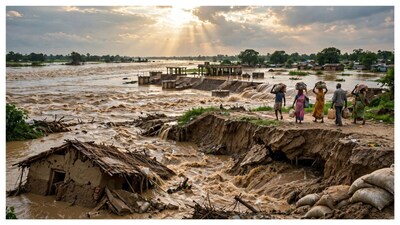
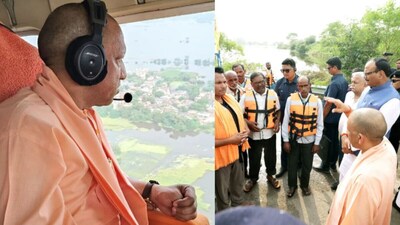
- •The Gomti River in Lucknow is overflowing, with water levels about eight feet above normal, submerging low-lying areas.
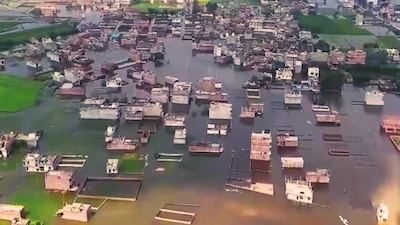
- •Around 40,000 houses in Faizullaganj and surrounding residential areas are submerged under 4 to 5 feet of water, forcing residents to flee.
- •Heavy rainfall in districts like Pilibhit, Shahjahanpur, and Lakhimpur Kheri triggered the floodwaters that reached Lucknow.
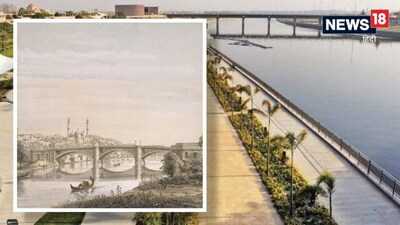
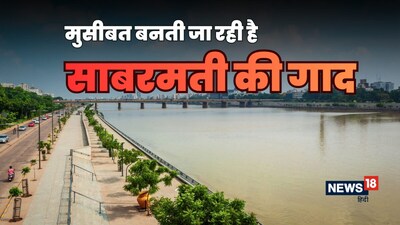
- •Historically a wide river with expansive floodplains that absorbed excess water, the Gomti has been confined within concrete banks over time.
- •Urban encroachment and the Gomti Riverfront Project significantly reduced the river's width and natural floodplain capacity, worsening the flood.
Key Questions Answered
Heavy rainfall in upstream districts such as Pilibhit, Shahjahanpur, Lakhimpur Kheri, Hardoi, and Sitapur between September 22 and 27 caused massive runoff. This water traveled downstream over eight to 10 days, eventually reaching Lucknow and causing severe flooding in low-lying residential areas.
Urbanization and the Gomti Riverfront Project narrowed the river's clear waterway and compressed its active floodplain by constructing reinforced walls and encroaching on natural banks. This severely reduced the river's capacity to spread and absorb excess floodwaters, forcing water directly into residential neighborhoods.
The worst-affected areas include Faizullaganj, Ghaila, Daud Nagar, Milan Nagar, Ram Nagar, Ganesh Vihar, and Atal Chowk, where roughly 40,000 homes have been submerged under 4 to 5 feet of water. Floodwaters have also spread to southern parts of the city, causing waterlogging near Phoenix Palassio Mall and Ekana Stadium.