Stories
Sabarmati's Silt Crisis: Unpacking Narmada Water, Siltation, and Ahmedabad's Flood Risk.
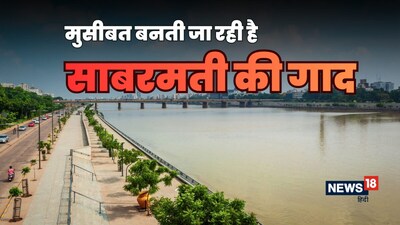
- •Siltation in the Sabarmati River is creating a major environmental and urban challenge for Ahmedabad.
- •Narmada water, along with urban waste, is reducing the river's water-holding capacity, leading to waterlogging and floods.
- •The Narmada Canal, while providing year-round water, also brings sand and gravelly soil, depositing silt in the Sabarmati.
- •Siltation decreases river depth, causing it to overflow quickly during rains and necessitating the opening of Vasna Barrage gates.
- •Illegal dumping of urban and industrial waste further exacerbates silt accumulation, impacting groundwater recharge and causing waterlogging in low-lying areas.
Key Questions Answered
Siltation is increasing because water from the Narmada River is diverted into the seasonal Sabarmati River via the Narmada Main Canal, bringing along sand and gravelly soil that settle at the riverbed and reduce its depth. Additionally, urban and industrial waste dumping, along with bridge upgrade construction in Ahmedabad, contributes to the rising silt levels.
Accumulated silt decreases the river's water-holding capacity, causing water levels to rise rapidly and overflow during heavy rainfall. When the Sabarmati level exceeds 128 feet, western Ahmedabad's stormwater drains cannot discharge and back up, forcing the administration to open Vasna Barrage gates which causes severe waterlogging in low-lying areas.
While the Ahmedabad Municipal Corporation has been running a cleanliness drive since 2019, no project to increase the river's depth or actively remove the accumulated silt has been undertaken yet. Managing the river currently relies heavily on regulating barrage levels and opening gates during heavy rains.