Stories
India Semiconductor Sector Shifts from Design Talent to Value Creation and Manufacturing
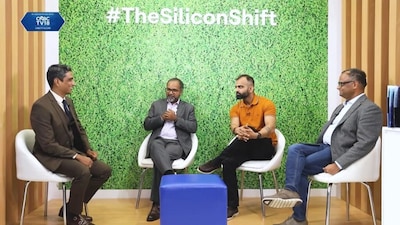
- •India's semiconductor ambitions are expanding beyond chip design into manufacturing, systems, and product development driven by AI and supply chain shifts.
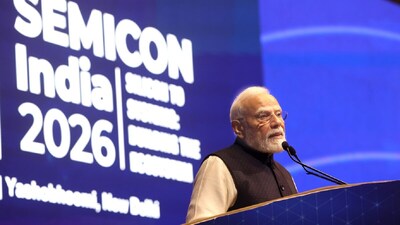
- •Industry experts at SEMICON India 2026 noted that India possesses strong foundations in engineering talent and institutional support, but scaling is the primary current challenge.
- •The semiconductor workforce must extend beyond specialized designers to include hands-on roles for polytechnic and practical skill graduates.
- •AI is positively impacting the sector by driving high-performance computing demand and providing advanced tools to assist chip designers.
- •Closer industry-academia partnerships, flexible curriculums, and practical hands-on training environments are critical to preparing the next generation of talent.
Key Questions Answered
A combination of industry trends—including rising demand for high-performance computing driven by artificial intelligence, geopolitical considerations for supply chain control, and a growing interest in custom silicon—is driving India's semiconductor opportunity. Furthermore, India's experience in end-user industries like automotive, medical devices, and telecom provides a strong foundation.
Artificial intelligence has an unambiguously positive impact on the demand side of the semiconductor sector while simultaneously transforming engineering work. AI-enabled tools can support silicon designers during rising chip starts, and conversely, semiconductor advances enable new AI capabilities in a mutually reinforcing cycle.
India's semiconductor workforce needs to extend beyond specialized chip designers to include hands-on roles in manufacturing and operations. Academic institutions are increasingly customizing curricula and building closer links with industry, while experts emphasize the need for 'T-shaped talent' that combines deep technical expertise with communication and team collaboration skills.