Stories
Can a Dishwasher Handle the Ultimate Indian Kitchen Challenge?
- •Indian kitchens feature heavy-duty cookware like pressure cookers, oily steel bowls, and burnt kadais, making dishwasher adoption slower due to trust issues.
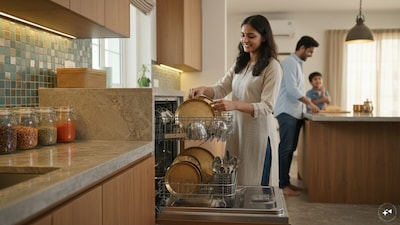
- •Dishwashers handle everyday Indian utensils well when loaded correctly, though severely burnt food and delicate items still require manual care.
- •Proper loading has a learning curve similar to arranging luggage, but most families adapt within a week or two.
- •The true value of a dishwasher lies in saving time and reducing repetitive manual labor for working couples or larger families.
- •Buyers should prioritize practical features like flexible rack design, capacity, and noise levels over fancy displays, while ensuring proper kitchen space measurements.
Key Questions Answered
Dishwashers faced trust issues in India because local kitchens use heavy, bulky, and heavily soiled utensils like pressure cookers, oily steel bowls, masala-stained vessels, and stubborn kadais. People doubted if an automated machine could properly clean such items compared to hand scrubbing.
Burnt food, wooden pieces, and certain coated cookware should stay out of a dishwasher. Manufacturers also specify other delicate items that should not go inside and recommend treating them accordingly.
Rack design matters significantly because Indian cookware can be bulky, so adjustable or folding sections are very useful. Other important considerations include noise level if your kitchen is open to the living room, overall capacity for running a single night load, and proper space measurements for width, depth, water connections, and power points.