Stories
Breathe Easy: Top Air Purifiers Under Rs 15,000 for Compact Bedrooms
- •An air purifier is crucial for urban homes to combat outdoor pollution, dust, and smog, with key buying factors including CADR, room coverage, filter type, and replacement costs.
- •The article provides a curated list of top air purifiers under Rs 15,000, highlighting their best features for different needs like overall use, bedrooms, allergies, larger rooms, value, smart controls, and 360-degree purification.
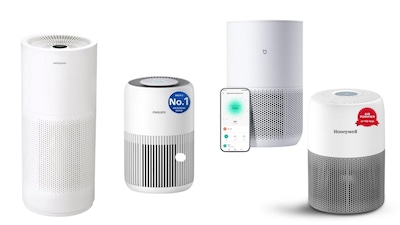
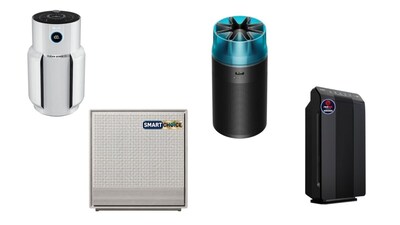
- •Featured models include Coway Airmega AIM (best overall), Philips AC1711 (best for bedrooms), LEVOIT Core 300 (best for allergies/pets), Cuckoo Respure (best for larger rooms), Honeywell Air Touch V2 (best value), Xiaomi Air Purifier 4 Lite (best for smart controls), and Havells Breathe AP310 (best for 360-degree purification).
- •Key considerations before buying include Clean Air Delivery Rate (CADR), room size, filter type (H13 HEPA, activated carbon), replacement filter costs, and noise levels, especially for overnight use in bedrooms.
- •The article emphasizes that an H13 HEPA filter is effective for fine airborne particles, and activated carbon helps with gases and odors, making them essential for urban air quality improvement.
Key Questions Answered
When choosing an air purifier for a bedroom, important considerations include the Clean Air Delivery Rate (CADR), room coverage, filter type such as H13 True HEPA, replacement filter costs, and the noise level during operation. Since the appliance may run for eight hours or more overnight, low noise levels and energy consumption are critical for uninterrupted sleep.
Yes, H13 HEPA filters are designed to capture 99.97% of very small airborne particles, making them highly effective against fine dust, pollen, smoke, and mold. An activated carbon stage often complements this filtration by targeting unwanted household odors and gases.
There is no universal replacement interval, as filter life depends on the specific model, how frequently it is operated, and the level of dust and pollution it encounters. Users should check the manufacturer's recommended schedule or rely on the device's filter-life indicator rather than swapping them out blindly.