Stories
Unmasking Hidden Dangers: 7 Surprising Indoor Air Pollutants You Need to Know!
N
News18•25-09-2026, 09:15
Unmasking Hidden Dangers: 7 Surprising Indoor Air Pollutants You Need to Know!
- •Indoor air quality can be significantly impacted by everyday activities and household items, often overlooked compared to outdoor pollution sources.
- •Cooking, especially frying or grilling, releases fine particles and combustion pollutants, with gas stoves adding to the problem; proper ventilation is key.
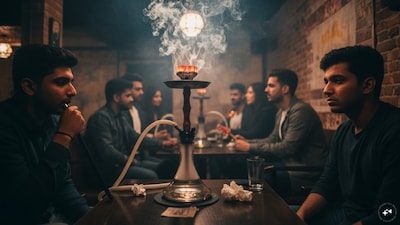
- •Tobacco smoke, including second-hand smoke, severely degrades indoor air quality; maintaining smoke-free indoor spaces is crucial.
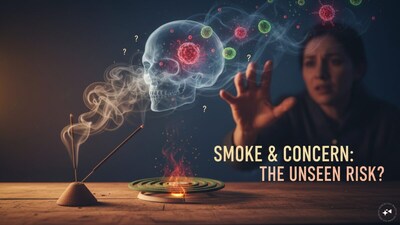
- •Burning products like incense sticks and candles release particulate matter; ensure good ventilation and avoid prolonged use in poorly ventilated areas.
- •Cleaning products containing volatile organic compounds (VOCs) contribute to indoor air pollution; use them as directed with adequate ventilation.
- •Household dust, containing allergens like dust mites and pollen, can trigger respiratory issues; regular cleaning and dust reduction are essential.
- •Mould growth from dampness releases spores that irritate the respiratory system; fix leaks, keep areas dry, and improve ventilation to control it.
- •Poor ventilation allows indoor pollutants to accumulate; proper airflow dilutes and removes these contaminants, though outdoor air quality should be considered when opening windows.
Key Questions Answered
Indoor air pollution can come from everyday sources such as cooking fumes, tobacco smoke, burning incense or candles, household cleaning products releasing VOCs, dust mites, mould from dampness, and poor overall ventilation.
Cooking smoke and gas stove emissions can be minimized by using an exhaust fan or chimney while cooking and ensuring that the kitchen remains well ventilated.
Household cleaning products, air fresheners, sprays, and disinfectants release volatile organic compounds (VOCs) that contribute to indoor air pollution, especially in small or poorly ventilated spaces.