Stories
BLDC vs. Regular Ceiling Fans: Which Saves More on Electricity Bills?
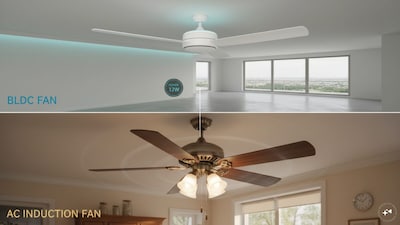
- •BLDC fans use brushless DC motors, consuming significantly less electricity than regular fans with conventional induction motors.
- •While BLDC fans have a higher upfront cost, their lower power consumption leads to substantial long-term electricity bill savings, especially with frequent use.
- •Regular fans are more budget-friendly initially but incur higher running costs over time due to greater power consumption.
- •Choose BLDC for long daily usage, multiple fans, and energy efficiency; opt for regular fans for occasional use or limited budgets.
- •BLDC fans often include remote controls and offer quieter operation, enhancing convenience and comfort.
Key Questions Answered
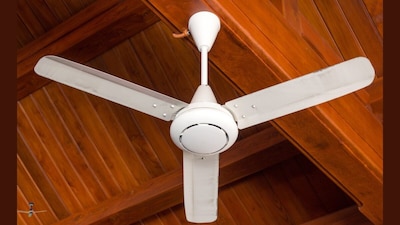
A regular ceiling fan typically uses a conventional induction motor and consumes considerably more electricity, ranging from roughly 60 to 80 watts. In contrast, a BLDC fan utilizes a brushless direct current motor with electronic controls, consuming significantly less power—usually around 28 to 40 watts—while delivering comparable airflow.
Energy efficiency estimates indicate that replacing a standard 70-watt fan with a 30-watt BLDC model running for extended hours can save substantial energy. For example, if operated for 12 hours daily, it can save approximately 175 units of electricity annually, translating into noticeable yearly financial savings depending on local utility tariffs.
BLDC ceiling fans cost more upfront than conventional induction models, but their lower power consumption can gradually offset the initial investment over time. They represent a better long-term value for households where fans operate for many hours every day, whereas regular fans remain ideal for occasional use or tighter budgets.