Stories
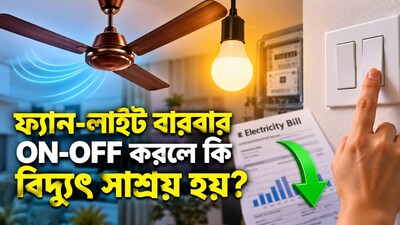
Does frequently turning fans/lights on/off increase electricity bills? Find out the truth!
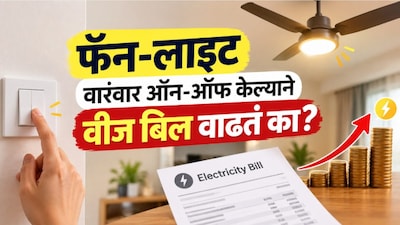
- •When a fan or light is off, it consumes no electricity; the consumption upon turning it back on is negligible.
- •Turning off fans and lights when no one is in the room or when not needed is beneficial for reducing electricity consumption.
- •Older fans with old regulators lose electricity as heat when speed is reduced, but newer, more efficient fans behave differently.
- •Leaving chargers or electronic devices plugged in can lead to minimal standby consumption, but this can add up over long periods.
- •Simple electricity-saving tips include turning off unnecessary devices immediately, using LED bulbs, and avoiding prolonged standby mode.
Key Questions Answered
No, in normal use, turning a fan or light off means it consumes zero electricity. While turning it back on may use a tiny amount of power for a brief moment, it is minimal and keeping appliances running out of fear of this initial surge is not an effective way to save electricity.
Not necessarily, as the relationship depends heavily on the fan's motor technology and regulator type. Older regulators often waste electricity as heat when the speed is reduced, whereas modern electronic or high-efficiency fans handle energy differently.
Yes, leaving electronic devices and chargers plugged in can lead to standby or no-load electricity consumption. While new, high-quality chargers have very low standby draw, leaving multiple devices plugged in for long periods can significantly add to overall electricity usage.