Stories
Lost for Nearly 100 Years, Rare Venomous Primate Reappears in Indonesia
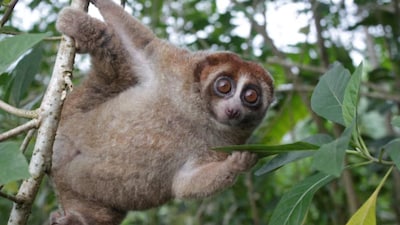
- •The Bangka slow loris, a critically endangered and venomous primate, has been rediscovered on Bangka Island in Indonesia after being missing from scientific records for nearly a century.
- •A recent study published in the journal Spixiana analyzed records from the Alobi Wildlife Rescue Center, which encountered over 90 of these animals between 2015 and 2025.
- •Classified as critically endangered by the IUCN in 2020, the nocturnal primate is one of the few venomous mammals in the world and uses specialized elbow glands to produce a dangerous toxin.
- •Despite its survival, the species faces severe threats from deforestation, tin mining, palm oil expansion, habitat fragmentation, and the illegal wildlife trade.
Key Questions Answered
The Bangka slow loris, scientifically known as Nycticebus bancanus, is a small, nocturnal, tree-dwelling primate native to Bangka Island off the southeastern coast of Sumatra in Indonesia. Recognized by its reddish-brown fur, large eyes, and distinctive facial markings, it had largely vanished from formal scientific records since the early 1930s until recent research confirmed its survival.
Researchers confirmed the species still survives by analyzing records from Indonesia's Alobi Wildlife Rescue Center, which encountered more than 90 individual Bangka slow lorises between 2015 and 2025. Local residents frequently reported finding the animals in gardens, houses, and plantations, bringing them to the rescue center's attention.
The Bangka slow loris is unique because it is one of the only known venomous primates. They have specialized glands near their elbows that release a secretion, which they mix with saliva by licking after raising their arms, allowing them to deliver a venomous and potentially dangerous bite.