Stories
Vande Bharat vs Rajdhani vs Shatabdi: Key Differences in Speed, Seats, and Travel
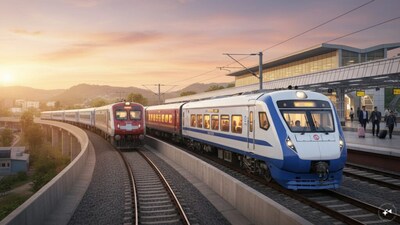
- •Vande Bharat, Rajdhani, and Shatabdi are premium Indian Railways services offering distinct travel experiences.
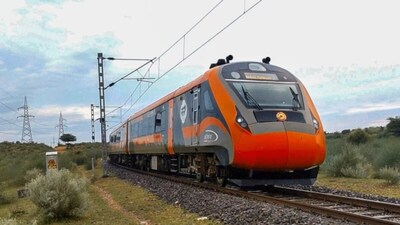
- •Vande Bharat trains are designed for fast, daytime intercity travel with Chair Car seating, and now offer Sleeper coaches for long distances.
- •Rajdhani Express, introduced in 1969, focuses on long-distance and overnight travel with fully air-conditioned sleeper berths.
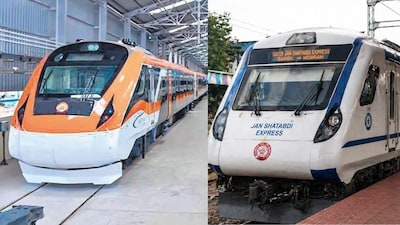
- •Shatabdi trains are premium daytime services connecting major cities for business and tourism, primarily offering Chair Car seating.
- •Key differences include accommodation type (seats vs. sleepers), maximum operational speeds (Vande Bharat up to 160 kmph, others around 130 kmph), and route coverage.
Key Questions Answered
Vande Bharat trains are designed for fast daytime intercity travel with Chair Car and Executive seating, alongside an expanding sleeper segment. Rajdhani Express services connect New Delhi with major cities for overnight long-distance travel using First, Second, and Third AC berths. Meanwhile, Shatabdi Express trains provide premium daytime Chair Car and Executive seating tailored for shorter business and tourist journeys completed within a day.
Vande Bharat trains can operate at maximum speeds of up to 160 kmph on eligible sections, depending on route and track conditions. In contrast, both Rajdhani Express and Shatabdi Express services generally feature maximum operational speeds of around 130 kmph.
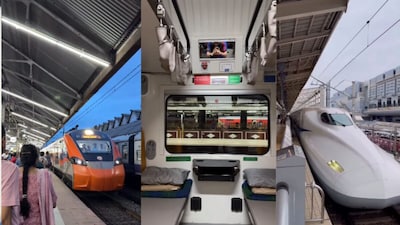
Standard Vande Bharat and Shatabdi services primarily offer reclining air-conditioned Chair Car and Executive Chair Car seating. Rajdhani trains exclusively feature air-conditioned sleeping berths across First, Second, and Third AC classes for overnight passengers. Additionally, the introduction of the Vande Bharat Sleeper allows Vande Bharat to enter the long-distance sleeper category.