Stories
World Space Week 2026: 7 Ways Space Travel Changes The Human Body
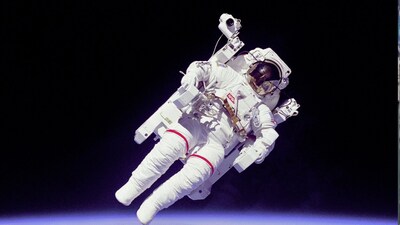
- •In microgravity, muscles do not work as hard against gravity, leading to muscle weakness and reduced mass unless astronauts maintain strict daily exercise routines.
- •Reduced mechanical load in space causes astronauts to lose bone mineral density, particularly in the hips and legs, increasing fracture risks upon return.
- •Body fluids shift upward toward the head in microgravity, causing puffy faces, thinner legs, nasal congestion, and potential vision changes.
- •Astronauts may experience blurred vision and structural changes in the eyes, a condition associated with spaceflight-related neuro-ocular syndrome.
- •The inner ear loses its usual gravity cues, causing space motion sickness, nausea, dizziness, and a temporary disruption in the sense of balance.
- •Experiencing roughly 16 sunrises and sunsets every 24 hours on the space station makes maintaining a regular sleep cycle challenging for astronauts.
- •Returning to Earth requires a major physical adjustment as muscles, bones, balance systems, and cardiovascular functions readjust to gravity.
Key Questions Answered
In microgravity, muscles do not have to work as hard against gravity, leading to muscle weakness and a reduction in mass unless astronauts perform regular resistance and cardiovascular exercises. Similarly, the reduced mechanical load causes astronauts to lose bone mineral density, particularly in the hips and legs, increasing fracture risks.
Without gravity pulling fluids downward, body fluids shift towards the upper body and head, making faces appear puffier and causing nasal congestion. This fluid redistribution can also affect eye tissues and eyeball shapes, leading to blurred vision and spaceflight-related neuro-ocular changes known as SANS.
Astronauts experience balance confusion and space motion sickness early on because the inner ear's gravity-related cues change in microgravity. Sleep is also challenging due to a lack of a normal Earth day-and-night rhythm, equipment noise, and mission workloads, requiring secured sleeping bags and strict schedules.