Stories
How Mahishasuramardini and Mahalaya Usher in Bengal's Durga Puja
- •Every year on Mahalaya, Bengali communities worldwide wake up before dawn to listen to the iconic broadcast of Mahishasuramardini, voiced by Birendra Krishna Bhadra, signaling the official countdown to Durga Puja.
- •The narrative centers on Goddess Durga, a warrior created by the combined powers of the gods to defeat the shape-shifting demon Mahishasura, symbolizing the ultimate triumph of good over evil.
- •Beyond her fierce warrior form, Durga is celebrated in Bengal as Uma, the beloved daughter returning home to her maternal family with her children, blending divine power with deep familial warmth.
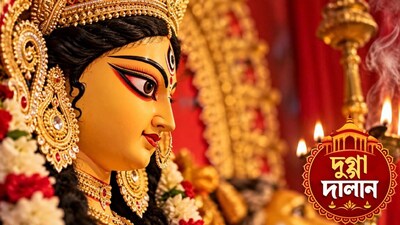
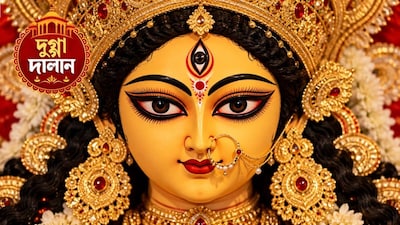
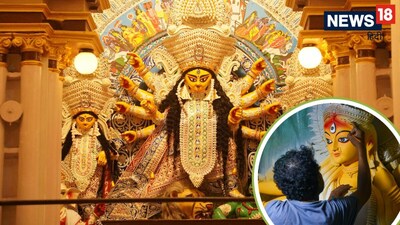
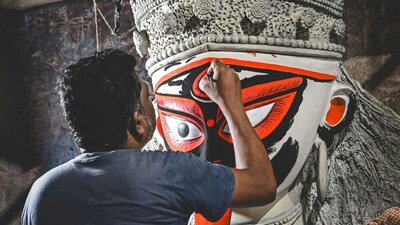
- •Mahalaya also marks Chokkhu Daan, the sacred ritual of painting the eyes on the clay idol to symbolically give the Goddess life and bring her visible form to the celebrations.
- •Originating as a radio programme in the 1930s, Mahishasuramardini has endured modern technological shifts, transforming into a cherished cultural memory and an indispensable part of Bengali life.
Key Questions Answered
The iconic radio programme Mahishasuramardini originated in the 1930s, taking shape in 1937. Featuring Birendra Krishna Bhadra's powerful recitation combined with Sanskrit verses, narration, and devotional music, it has become a defining part of Mahalaya morning for over nine decades.
Mahishasura was a powerful shape-shifting demon who drove the gods from heaven after receiving a boon making him unbeatable by any man or god. To defeat him, Brahma, Vishnu, Shiva, and other deities pooled their collective strength to create the warrior goddess Durga, who ultimately slew him with her trident.
Mahalaya is associated with Chokkhu Daan, the traditional ritual of painting the Goddess's eyes on her clay idol as one of the final finishing touches. This act is symbolically regarded as giving the idol its life and gaze, allowing the Goddess to take visible form.