Stories
The Fascinating History and Evolution of Durga Puja Pandals.
- •Durga Puja originally began between the 16th and 18th centuries as private celebrations restricted to the courtyards of kings and affluent landlords.
- •In 1790, 12 friends in Hooghly organized the first 'Baroyari Puja' after being denied entry, establishing the tradition of temporary pandals and public celebrations.
- •During British rule, these public pandals served as crucial meeting grounds for freedom fighters to ignite patriotism and social unity.
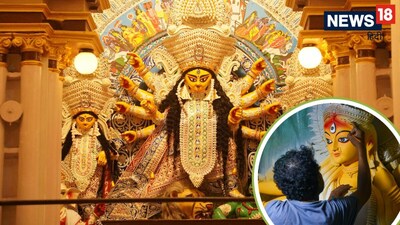
- •Modern Durga Puja pandals have evolved into extraordinary platforms for theme-based art, culture, and powerful social messaging.
- •UNESCO inscribed Kolkata's Durga Puja on the Intangible Cultural Heritage of Humanity list in 2021 for its incredible art, craftsmanship, and community participation.
Key Questions Answered
Between the 16th and 18th centuries, Durga Puja was a private celebration restricted to the Thakurdalans of kings and wealthy landlords. In 1790, after a landlord barred local youths, twelve friends collected donations to organize their own public puja, giving rise to 'Baroyari Puja' and the tradition of temporary pandals.
The first large-scale public Sarvajanin Durga Puja was organized in 1910 by the Sanatan Dharmotsahini Sabha in Kolkata's Bhowanipore area. This initiative aimed to break caste, class, and religious barriers, leading to the creation of bamboo and cloth pandals on streets and open grounds.
In December 2021, UNESCO inscribed Kolkata's Durga Puja on the Representative List of the Intangible Cultural Heritage of Humanity. This recognition honors the festival's unique art, traditional craftsmanship, community participation, inclusive nature, and its power to bring diverse people together.