Stories
Prevent Wall Dampness: Essential Construction Tips From Experts
N
News18•17-10-2026, 18:56
Prevent Wall Dampness: Essential Construction Tips From Experts
- •According to Civil Engineer Ajay Bhadoria in Agra, special attention must be paid to waterproofing, plumbing, and construction material quality.
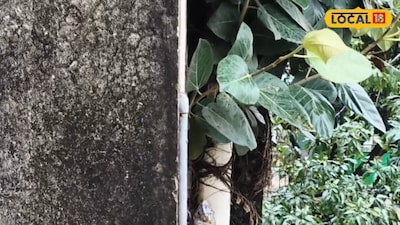
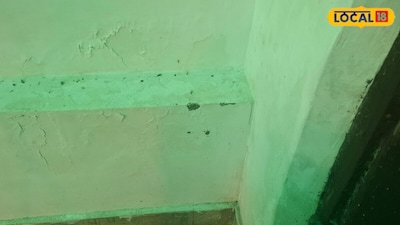
- •Plumbing flaws or minor pipeline leakages can slowly reach inside walls, causing dampness and peeling paint over time.
- •AAC blocks absorb less water compared to traditional bricks, though proper plastering and waterproofing are still necessary.
- •Using RCC walls in external drains or water-contact areas can be useful, provided proper concrete mix and waterproofing are applied.
- •A proper slope and drainage system are crucial to prevent water from accumulating near the walls and foundation.
Key Questions Answered
Flaws in pipe joints or minor plumbing leakages can allow water to slowly reach inside the walls. If left undetected for a long time, this water seepage leads to dampness, peeling paint, and ruined wall finishes.
AAC (Autoclaved Aerated Concrete) blocks are lightweight and generally absorb less water than traditional bricks, making them useful during construction. However, their usage does not completely eliminate dampness on its own, meaning proper plastering and waterproofing are still strictly required.
A proper slope and drainage system prevents water from continuously accumulating near the walls and foundation. If water collects around these structural areas, moisture-related problems and wall dampness increase significantly over time.