Stories
Peepal and Plant Growth on Walls: Risks and Expert Prevention Tips
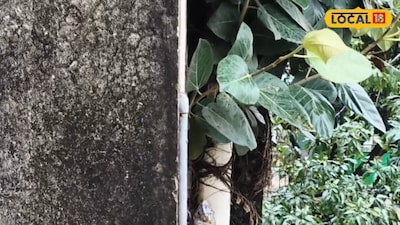
- •Dr. Manish Kushwaha from the Bahraich Agricultural Research Center explains how peepal and banyan saplings damage building structures.
- •Seeds reach building cracks through wind currents, animal fur, or human clothing, germinating when they receive rainwater and moisture.
- •Promptly repairing cracks, holes, and broken plaster with cement or putty prevents seeds from lodging and germinating.
- •Forcibly pulling out large saplings from walls can break bricks and plaster, so cutting the stem and applying herbicides is recommended.
- •Applying wood shavings or mulch on rooftop garden beds reduces sunlight and prevents weed seeds from sprouting.
Key Questions Answered
Seeds reach buildings through various mediums such as strong winds carrying lightweight or winged seeds, or via animals like squirrels and cats where hook-like seeds cling to them and get left behind in wall cracks. Once rainwater provides moisture, these seeds germinate.
Forcibly pulling out banyan or peepal saplings when they grow in wall cracks can break the wall plaster or bricks. Instead, experts suggest cutting their stems and using chemical or natural methods to dry out the roots safely.
The easiest way to protect buildings is to promptly seal cracks, holes, and broken plaster with cement or putty. For roof garden beds, spreading a one-inch thick layer of wood shavings or mulch reduces sunlight reaching the soil and inhibits weed seed germination.