Stories
Poultry Farming Tips: Stop Losses and Protect Chickens With These 7 Easy Rules
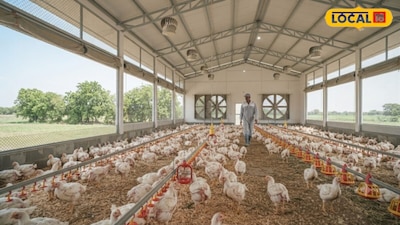
- •Poultry farming serves as a great income booster for farmers when managed properly with attention to food, water, and cleanliness.
- •Provide a balanced and age-appropriate diet, ensuring laying hens receive sufficient calcium and feed is stored in dry conditions.
- •Ensure continuous access to clean, fresh water and regularly wash containers to prevent the spread of diseases.
- •Maintain a clean, dry, and well-ventilated living space, adjusting management strategies according to summer, monsoon, and winter seasons.
- •Monitor chickens closely for unusual behavior, isolate sick birds promptly, and follow a strict schedule for timely vaccination.
- •Avoid overcrowding in the poultry house to maintain adequate space, proper ventilation, and reduced infection risks.
- •Plan expenses beforehand, understand target markets for eggs and meat, and maintain daily records of costs and production for effective management.
Key Questions Answered
Nutritious and balanced feed is essential for good growth and egg production, with dietary requirements varying between chicks and adult chickens. Laying hens require adequate calcium in their diet, and feed should always be stored in a dry, clean place to prevent spoilage from dampness.
A clean, dry living space with proper ventilation helps keep chickens healthy and reduces the risk of disease spread. While good ventilation is crucial, direct drafts of cold air should be avoided, and housing must be adjusted according to seasonal weather changes like monsoon or winter.
If a chicken appears sluggish, eats or drinks less, or shows behavioral changes, it should not be ignored. Farmers should promptly separate the sick bird from the rest, consult a veterinarian, and ensure timely vaccination according to expert advice to prevent major losses.