Stories
How to Protect Tulsi Plants from Falling and Curling Leaves in Winter
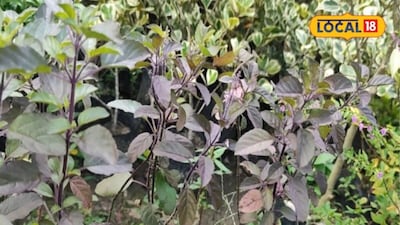
- •Cold weather and frost cause Tulsi leaves to turn yellow and fall off during winter.
- •Ensure pots have proper drainage holes to prevent root rot from excess watering.
- •Use only cow dung manure for the plant and strictly avoid chemical fertilizers.
- •Manually remove long green insects using a clean piece of wood to protect leaves.
- •Pinching the upper tip of the plant encourages the growth of new branches.
Key Questions Answered
During the winter season, Tulsi leaves frequently turn yellow and fall off because the plant is negatively affected by excessive cold, frost, and overwatering. Additionally, lacking proper drainage in pots damages the roots and increases the risk of root rot.
Experts recommend planting Tulsi in pots with sufficient drainage holes to prevent water accumulation. Only cow dung manure should be added, while chemical fertilizers and pesticides should be avoided. Furthermore, replacing the top layer of soil periodically helps maintain soil quality and promotes growth.
Long green insects damage leaves by eating them and should be handpicked using a clean piece of wood upon inspection. To address sparse branching where the plant grows tall with few branches, proper pinching of the growing upper tip encourages new branch development.