Stories
Trees vs. Plants: Unveiling the Key Differences in Nature's Green Giants and Ground Cover
N
News18•23-09-2026, 16:45
Trees vs. Plants: Unveiling the Key Differences in Nature's Green Giants and Ground Cover
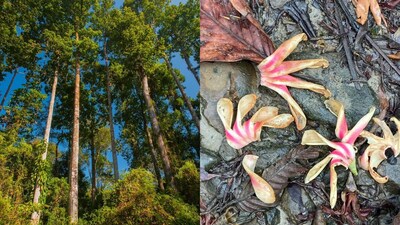
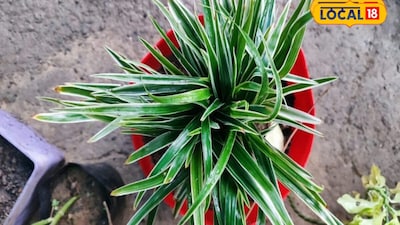
- •Trees possess a single, woody trunk with bark, while plants typically have soft, flexible, or green herbaceous stems.
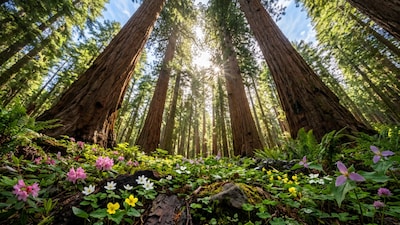
- •Trees grow significantly taller, reaching hundreds of feet, whereas most plants remain low to the ground, from inches to several feet.
- •Trees are long-lived perennials, surviving for decades to millennia, while many plants are annuals or biennials with shorter life cycles.
- •Trees feature an elevated canopy with branches extending well above ground, unlike plants that branch close to the ground or lack lateral branches.
- •Trees develop annual growth rings for diameter expansion, a feature absent in most non-tree plants due to lack of true wood.
- •Trees have massive, deep root systems for anchoring and nutrient absorption, contrasting with plants' smaller, adapted root systems.
- •Trees form upper canopy layers, store carbon, and provide complex habitats, while plants primarily offer ground cover and fix soil.
Key Questions Answered
Plants typically feature soft, flexible, or green herbaceous stems that remain non-woody throughout their life cycle. In contrast, trees develop a single, thick, hard, and woody central stem called a trunk, which is protected by a tough layer of bark.
Many common plants are annuals or biennials that complete their life cycle within one or two growing seasons before dying. Conversely, trees are perennial organisms capable of living for decades, centuries, or thousands of years.
All trees are technically plants, as the word plant is a broad term that includes trees, shrubs, herbs, grasses, and flowering plants. Trees represent just one specific category within the plant kingdom featuring a thick woody trunk and elevated canopy.