Stories
Fever, Fatigue, and Skin Rashes: Are These HIV Symptoms? Know the Truth and Prevention Tips
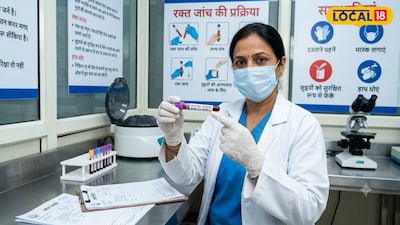
- •Dr. Savitri Shukla from Bageshwar District Hospital states that HIV does not spread through casual contact like hugging, shaking hands, or eating together.
- •HIV is primarily transmitted through infected blood, semen, unsafe sexual intercourse, and the use of contaminated needles or syringes.
- •Initial weeks of infection may bring symptoms such as fever, headache, sore throat, skin rashes, and fatigue, though these do not confirm HIV on their own.
- •Post-Exposure Prophylaxis (PEP) is an emergency medication-based treatment that should ideally be started within 72 hours of potential HIV exposure under a doctor's guidance.
- •Free testing and counseling are available at Integrated Counseling and Testing Centres across India, and you can call the NACO helpline at 1097 for assistance.
Key Questions Answered
In the initial weeks of infection, some individuals may experience fever, headache, sore throat, skin rashes, and fatigue. As the condition progresses, symptoms such as weight loss, prolonged fever, persistent diarrhea, cough, and swollen lymph nodes may appear, though many people exhibit no symptoms early on.
HIV is primarily transmitted through infected blood, semen, vaginal secretions, and breast milk via unsafe sexual contact, infected needles, or blood transfusions. Prevention includes using condoms correctly, ensuring sterile needles, using screened blood transfusions, and avoiding the sharing of items like razors.
Post-Exposure Prophylaxis (PEP) is an antiretroviral medication-based treatment aimed at reducing infection risk following potential HIV exposure. It is crucial to initiate PEP within 72 hours, or three days, of potential exposure, and the treatment typically lasts for 28 days under a doctor's guidance.