Stories
Pakistan scores point at UNHRC over Indus water dispute with India
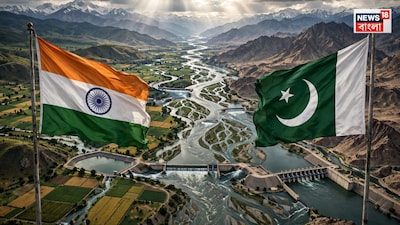
- •Pakistan raised concerns regarding the Indus water dispute with India at the 63rd session of the United Nations Human Rights Council in Geneva.
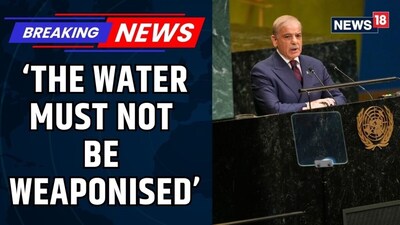
- •Pakistani diplomat Adil Mumtaz Khokhar accused India of weaponizing water and using it as a tool for political pressure.
- •Pakistan successfully retained a reference to transboundary water cooperation in a resolution tabled by Germany and Spain.
- •UNHRC resolutions are non-binding recommendations, meaning India is not under any legal obligation to comply with the resolution regarding the bilateral treaty.
Key Questions Answered
India placed the 1960 Indus Waters Treaty in abeyance following the April 2025 Pahalgam terrorist attack, which claimed 26 civilian lives. New Delhi maintains that the treaty will remain suspended until Pakistan completely stops supporting cross-border terrorism and dismantles its terror infrastructure.
During the 63rd session of the UNHRC in Geneva, Pakistan raised concerns about the Indus water dispute. Simultaneously, a resolution on the human right to safe drinking water and sanitation—tabled by Germany and Spain—was approved, with Pakistan claiming success in retaining a reference to transboundary water cooperation.
No, UNHRC resolutions are non-binding and carry no legal obligation or force, serving merely as recommendations or political pressure points. Because the Indus Waters Treaty is a bilateral agreement, India is not legally bound to comply with external recommendations on the matter.