Stories
How Barren Land Turned This Rajasthan Village into Millionaire Farmers
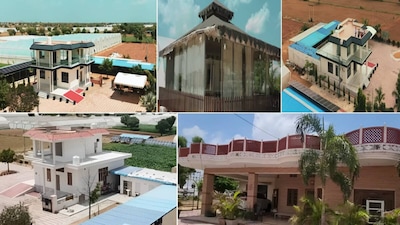
- •Gudha Khumawatan village near Jaipur is known as Mini Israel where about 500 farmers have become millionaires using advanced farming techniques.
- •Farmer Khemaram Choudhary learned polyhouse technology during a government-sponsored trip to Israel in 2012 and implemented it locally.
- •Farmers harvest and conserve rainwater in built reservoirs called jalkunds and use drip irrigation to overcome severe water scarcity and saline groundwater.
- •Villagers successfully grow off-season crops like capsicum and cucumbers in polyhouses, generating crores in revenue from just a few acres.
- •Wealthy farmers in the village own luxury vehicles like Fortuner and Harrier, with some earning annual profits of over a crore rupees.
Key Questions Answered
Gudha Khumawatan village, located in the Jobner tehsil near Jaipur, is widely known as the village of millionaire farmers and referred to as 'Mini Israel' because around 500 farmers there have achieved millionaire status.
In 2012, the Rajasthan government sent Khemaram Choudhary to Israel, where he learned polyhouse technology and later implemented it in his home village. He also utilized rainwater harvesting through water reservoirs and drip irrigation to overcome regional water scarcity.
Farmers in Gudha Khumawatan cultivate high-value crops like cucumbers and capsicum inside polyhouses, which protect the plants from pest attacks and allow profitable off-season harvesting. They conserve monsoon rainwater in built reservoirs and irrigate their fields using the drip method.