Stories
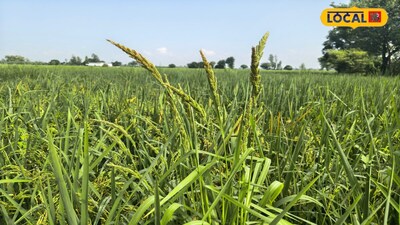
Paddy Farming: Excess Water in Fields Causes Rot and Blight, Experts Share Prevention Tips

N
News18•06-10-2026, 08:01
Paddy Farming: Excess Water in Fields Causes Rot and Blight, Experts Share Prevention Tips
- •Continuous and excessive waterlogging in paddy fields prevents air from reaching the roots, causing fungi and bacteria to thrive.
- •Experts recommend keeping only 3 to 4 centimeters of water in the field and ensuring intermittent drainage for proper airflow.
- •Excessive water can lead to serious crop diseases like stem rot and bacterial blight, causing a massive drop in yield.
- •To prevent rot and blight, farmers are advised to spray a mixture of 15 grams of streptocycline and 500 grams of copper oxychloride per acre.
Key Questions Answered
According to crop protection scientist Dr. Hadi Husain Khan, a paddy field should maintain only 3 to 4 centimeters of water. Continuous flooding prevents air from reaching the roots, so intermittent drainage is crucial.
To protect paddy crops from rot and bacterial blight caused by fungi and bacteria, experts recommend spraying a mixture of 15 grams of streptocycline and 500 grams of copper oxychloride per acre.
The primary symptom of bacterial blight is the withering and yellowing of leaves. Additionally, prolonged water stagnation causes roots to weaken, turn black or foul-smelling, and the lower parts of the stems to rot.