Stories
Ephemeral Fever Alert: Protect Your Livestock from Monsoon's Hidden Threat.
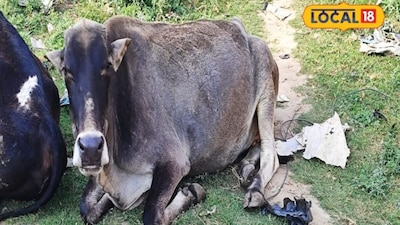
- •Bovine Ephemeral Fever (BEF), locally known as Adhaiya Bukhar, poses a significant threat to cows and buffaloes during the monsoon due to increased rain and humidity.
- •Dr. Ajit Sharan, Senior Veterinary Doctor, states that BEF is a viral disease spread by blood-sucking mosquitoes and other insects.
- •Symptoms include high fever (up to 106°F for 24-45 hours), body stiffness, lameness that can shift between legs, and a significant drop in milk production.
- •Affected animals may experience reduced appetite, watery eyes and nose, bloating, and mucus in dung, making walking and sitting difficult.
- •Prevention involves keeping animals in clean, dry places, preventing water accumulation, providing nutritious fodder, and immediately consulting a veterinarian if symptoms appear.
Key Questions Answered
Cows and buffaloes affected by Bovine Ephemeral Fever, locally known as Adhaiya Bukhar, experience a sudden high fever reaching up to 106 degrees Fahrenheit lasting 24 to 45 hours, body stiffness, and shifting lameness in their legs. Additional symptoms include reduced food intake, watery eyes and nose, bloating, and mucus in the dung, which collectively lead to a significant drop in milk production.
Bovine Ephemeral Fever is a viral disease that primarily spreads through blood-seeking mosquitoes and other insects. When these insects bite an infected animal and subsequently bite a healthy animal, the viral infection is transmitted.
Livestock owners should avoid keeping animals in wet areas and instead maintain clean, dry living spaces with proper sanitation while preventing water accumulation nearby to control mosquitoes and insects. Animals should be provided with nutritious, easily digestible fodder and sufficient fresh water, and any symptoms should be evaluated by a veterinarian immediately rather than using self-medication.