Stories
Trump-Xi Reset: Is The World Watching The Making Of A New 'US-China G2'?
- •US President Donald Trump's rhetoric and scheduling choices during the September 2026 UN General Assembly (UNGA) are being widely interpreted by geopolitical experts as a definitive signal of an emerging, informal ‘G2’ power structure.
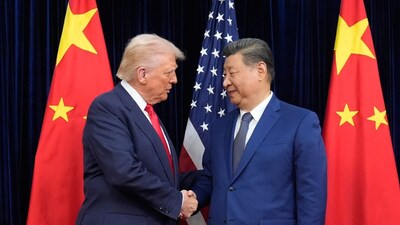
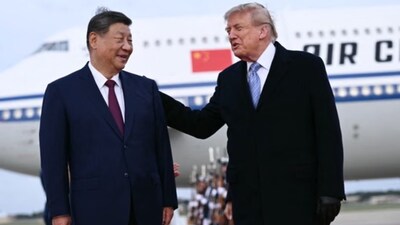
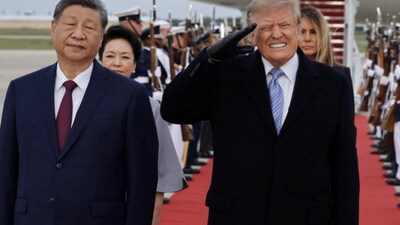
- •Trump utilized his UNGA address to attack ‘globalist bureaucrats’ while simultaneously rolling out the red carpet for Chinese President Xi Jinping in Washington.
- •The most glaring signal of a G2 in the making was the sheer optics of the week. While world leaders gathered in New York to debate international rules, Xi Jinping entirely skipped the UNGA to fly straight to Washington for a three-day summit with Trump.
- •Trump’s ‘Trump-style G2’ operates on the premise that the world’s two largest economies can manage global stability through direct dealmaking rather than international treaties.
- •Trump’s public rhetoric regarding China has undergone a stark transformation over the last decade, evolving from hostile campaign-trail accusations to public declarations of a ‘truly great friendship’ with President Xi Jinping.
Key Questions Answered
Geopolitical experts point to the optics of the September 2026 UNGA, where Chinese President Xi Jinping skipped the UN gathering to attend a three-day Washington summit with US President Donald Trump. Trump bypassed multilateral bodies to pursue direct bilateral dealmaking, tariff truces, and independent AI safety negotiations, signaling a shift toward a superpower condominium.
Trump's rhetoric transformed significantly from hostile campaign-trail attacks between 2012 and 2020—where he labeled China an economic enemy and accused it of theft—to praising President Xi Jinping as a great friend by September 2026. During Xi's Washington state visit, Trump adopted a warm, highly personalized tone, hailing their interaction as a meeting of friendship and strength.
Traditional G2 theories envisioned a rules-based, co-governance model for the US and China to jointly manage global issues. In contrast, Trump's version is entirely transactional, focusing on spheres of influence, bilateral concessions, personal diplomacy, and short-term economic wins like agriculture purchases and tariff pauses.