Stories
The G2 Mirage: Why Sino-American Rivalry Leaves Little Room for Cooperation

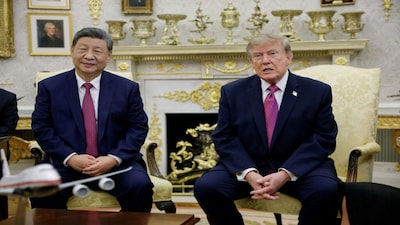
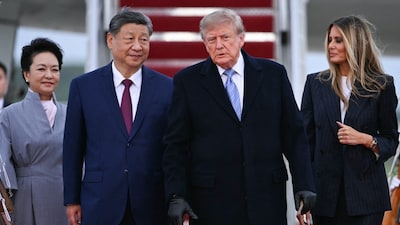
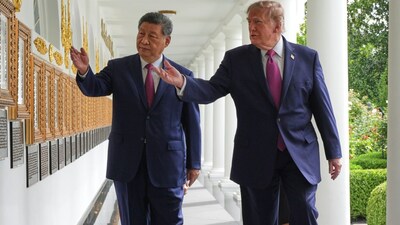
- •Frequent high-level meetings between US President Donald Trump and Chinese President Xi Jinping have sparked speculation about a potential G2 world order.
- •Both nations have strategic incentives to pursue a G2 framework, but fundamental ideological and geopolitical differences make long-term cooperation unlikely.
- •Divergent readouts from recent summits highlight deep disagreements on global issues, trade specifics, regional security, and the Indo-Pacific.
- •Ongoing tensions over Taiwan, Iran, and differing global priorities suggest a future of strategic stalemate rather than genuine partnership.
Key Questions Answered
The October 2025 Trump-Xi summit in Busan, South Korea, resulted in a trade truce featuring a $30 billion reciprocal tariff reduction, new consultation mechanisms, and a US-China AI dialogue. Additionally, the trade truce was extended by two months until January, though statements from both sides revealed ongoing differences and differing priority orders on issues like export controls, Iran, and international waterways.
The two countries highlighted differing priorities in their respective statements following the meeting. While the Chinese statement emphasized building a constructive relationship based on respect and fairness, placing trade and strategic stability early, the American statement prioritized China's restrictions on synthetic opioid export controls and arrests of illicit drug suppliers, alongside firm stances on Iran and the Indo-Pacific.
China has rejected the G2 concept of major power co-governance, with Foreign Minister Wang Yi stating that managing international affairs requires the collective efforts of all nations rather than just two superpowers. Beijing maintains that world history is forged collectively by its more than 190 countries and refuses to tread the path of seeking hegemony.