Stories
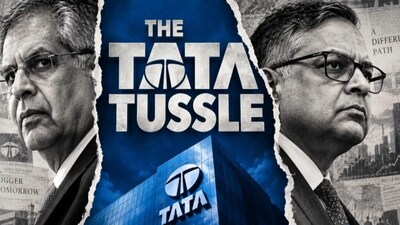
Tata Sons Leadership Battle Tests Corporate Governance and Board Authority

- •N Chandrasekaran's proposed reappointment as executive chairman of Tata Sons has sparked a governance dispute between the board and Tata Trusts.
- •Tata Trusts challenged the validity of the September 17 board resolution, arguing that the Articles of Association require affirmative support from the Trusts nominee directors.
- •The conflict extends beyond the boardroom, involving regulatory pressures from the RBI regarding the listing status and future structure of Tata Sons.
- •Venu Srinivasan approached the Maharashtra Charity Commissioner seeking an inquiry into the governance of the Sir Dorabji Tata Trust, escalating the dispute.
- •The unfolding situation highlights critical questions regarding fiduciary duties, shareholder rights, and the legitimate authority to make final decisions in corporate India.
Key Questions Answered
The controversy erupted after the Tata Sons board voted 4-1 on September 17 to reappoint N Chandrasekaran for a five-year term, overriding opposition from Tata Trusts nominee Noel Tata. Tata Trusts challenged the resolution, arguing it violated the Articles of Association requiring majority affirmative support from Trust-nominated directors, while Tata Sons defended the move using the chairman's casting vote and legal opinions.
The Tata Trusts collectively own approximately 66 percent of Tata Sons, giving them a dominant holding position in the group's parent company.
The two Tata Trusts nominees on the Tata Sons board split their votes on September 17, with Noel Tata voting against the reappointment proposal and Venu Srinivasan voting in favor of it.