Stories
Tata Sons Governance Row: Affirmative Vote vs. Casting Vote Explained
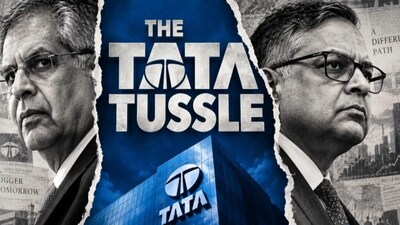
- •Tata Sons' decision to reappoint N. Chandrasekaran has sparked a legal dispute over the powers of Tata Trusts' nominee directors and the chairman's casting vote.
- •The core issue revolves around Articles 104, 118, and 121 of Tata Sons' Articles of Association, with Tata Trusts arguing for an affirmative vote from a majority of their nominee directors for major decisions.
- •The dispute questions whether the chairman's casting vote can override the requirement for an affirmative vote from Trust nominees, especially after the Supreme Court upheld these provisions in the Cyrus Mistry case.
- •The split vote by nominee directors (Noel Tata against, Venu Srinivasan for) raises questions about whether nominees should follow the shareholder's position or exercise independent judgment.
- •The governance battle is also linked to the ongoing debate about whether Tata Sons should remain private or be listed, adding another layer of complexity to the relationship between Tata Sons and Tata Trusts.
Key Questions Answered
The dispute focuses on whether the chairman's casting vote can override a split among Tata Trusts' nominee directors when the company's Articles of Association require an affirmative vote from the majority of those nominees for major decisions. While the board voted 4:1 to reappoint N. Chandrasekaran, Tata Trusts chairman Noel Tata voted against it, leading the trusts to declare the resolution illegal.
The Supreme Court previously upheld the legality of Tata Sons' Articles of Association, including provisions relating to affirmative voting rights for nominee directors of majority-holding institutions during the Cyrus Mistry case. Legal experts point out that it would be difficult to alter the interpretation of these validated provisions now.
The RBI classified Tata Sons as an upper-layer NBFC in September 2022, making a stock exchange listing mandatory within three years. After the RBI rejected Tata Sons' application to deregister as a core investment company in September 2026, the regulatory pressure to list kept the governance battle alive alongside the leadership dispute.