Stories
Pakistan's Hajj Heist: The Mecca Pact's Credibility Crisis
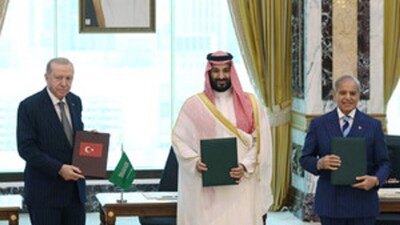
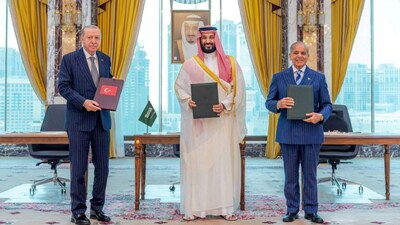
- •The Mecca Pact, signed by Saudi Arabia, Turkey, and Pakistan in August 2026, declared "an attack on one would be an attack on all," but was quickly dismissed by analysts as symbolic rather than substantive.
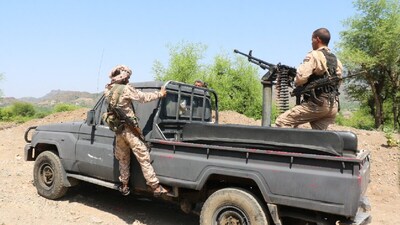
- •Just five weeks after its signing, Houthi attacks on Saudi cities and energy infrastructure exposed the pact's ineffectiveness, with neither Turkey nor Pakistan offering military assistance.
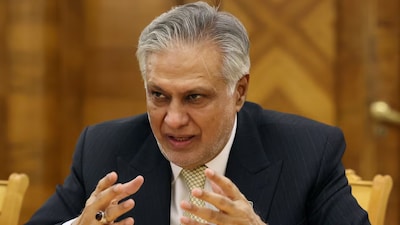
- •Despite theatrical assurances from Pakistan's Defence Minister and army spokesman, the Foreign Office stated the agreement was still being "firmed up" and no formal request for intervention had been received.
- •Experts like Husain Haqqani and Sushant Sareen highlighted the absence of a common enemy and a hyperpower, suggesting Pakistan's primary motive was to extract money from Saudi Arabia.
- •The article concludes that the Mecca Pact has left Pakistan with a globally exposed reputation for unreliability and has inadvertently simplified its "India problem" rather than complicating it.
Key Questions Answered
In August 2026, Saudi Arabia, Turkey, and Pakistan signed the Mecca Pact, a trilateral collective security agreement declaring that an attack on one member nation would be treated as an attack on all.
Despite high-profile rhetoric from military officials about the sanctity of the defense agreement, neither Islamabad nor Ankara provided military assistance to Saudi Arabia. Pakistan's Foreign Office stated that operationalising the pact was premature and no formal intervention request had been received, while Turkey pointed to a lack of parliamentary ratification.
Saudi Arabia diplomats turned to Beijing and asked China to lean on Tehran to restrain the Houthis. China, which buys Saudi oil and relies on regional shipping lanes, quietly intervened and successfully leveraged its ties with Iran.