Stories
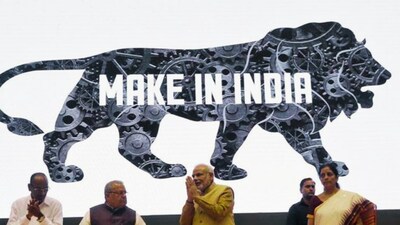
Modi's Make in India Reboot: Turning Trade Shocks into Strategic Wins by 2038
- •Japan Credit Rating Agency upgraded India's sovereign rating to A-, citing strong growth, improved bank health, and digital infrastructure.
- •The US passed the Lindsey O. Graham Sanctioning Russia and Iran Act, potentially imposing tariffs on India for Russian oil purchases, highlighting external trade shock risks.
- •Make in India's success in smartphones, particularly Apple iPhone exports to the US, demonstrates its potential to mitigate trade shocks.
- •The government's Mobile Phone Manufacturing Scheme and India Semiconductor Mission aim to boost domestic value addition and manufacturing.
- •Restoring the 15% corporate tax rate for new factories could provide long-term certainty and attract further investment, making future US tariffs less effective.
Key Questions Answered
The Act requires the US president to impose tariffs of up to 100 per cent on the five largest buyers of Russian oil and gas still purchasing after 30 days, specifically targeting India and China for keeping payments flowing for Russia's war in Ukraine.
The Cabinet approved ₹1,27,500 crore for the second phase of the India Semiconductor Mission. This builds on facilities in Sanand, Gujarat, where Micron, Kaynes Semicon, and CG Semi began commercial production, alongside new plants like Suchi Semicon in Surat and CDIL in Mohali.
The scheme commits ₹62,500 crore over five years to March 2031, paying manufacturers 2.25 to 5 per cent on eligible sales. It offers up to 1.5 per cent more for sourcing components locally, and majority Indian-owned brands holding their own designs earn an additional 3 per cent for research and design.