Stories
How Asymmetric Warfare Is Quietly Reshaping Military Conflicts In West Asia
N
News18•14-10-2026, 20:26
How Asymmetric Warfare Is Quietly Reshaping Military Conflicts In West Asia
- •Asymmetric warfare in West Asia demonstrates that conventional military superiority does not guarantee strategic victory against weaker adversaries using clever tactics and low-cost weapons.
- •Force preservation through dispersal, deception, and mobility is foundational, allowing weaker actors to survive and continuously impose costs without presenting fixed targets.
- •Civilian protection and civilisational resilience serve as critical strategic reserves, determining how long a society can sustain severe material losses without political collapse.
- •Major powers show increased reluctance toward large ground campaigns, relying instead on air strikes which weaker adversaries factor into their long-term resistance calculations.
- •Technology acts as a powerful force multiplier for smaller actors, but it cannot substitute for a clear strategy, realistic goals, and sustained operational capacity.
Key Questions Answered
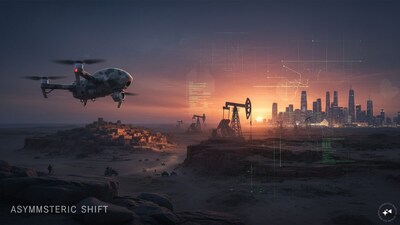
In asymmetric warfare, weaker adversaries avoid traditional fights and target political, logistical, or economic vulnerabilities to stretch a superior opponent's resources and prevent a decisive victory, using missiles, drones, and dispersed infrastructure.
Recent conflicts suggest five connected elements for success: a clear strategy, the ability to continue fighting, protecting the civilian population, maintaining the resilience of wider society, and the intelligent use of technology.
Civilian protection is both a legal requirement and a practical necessity, as failing to protect ordinary people leaves the society permanently weakened even if the stronger military opponent never achieves total victory.