Stories
Global Food Crisis Looms: Jaishankar Warns of Converging Shocks and El Niño Threat

- •External Affairs Minister S. Jaishankar warned of an impending major food crisis due to conflicts in Ukraine and West Asia, a strong El Niño, and financial shifts away from the Global South.
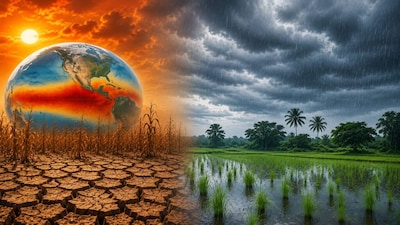
- •The NOAA's Climate Prediction Centre forecasts a strong El Niño event peaking during the Northern Hemisphere autumn and winter 2026-27, potentially exceeding previous events since 1950.
- •India has already experienced a significant monsoon deficit, with rainfall at 87% of its Long Period Average, impacting the 2026-27 foodgrain production target.
- •Southeast Asia is highly vulnerable, with analysts predicting a 2-8% drop in regional rice output, equivalent to Thailand's entire annual rice export at the midpoint.
- •The crisis is exacerbated by disruptions in fertilizer supplies from the Strait of Hormuz and Russia, leading to higher prices and reduced fertilizer use, risking crop yields globally.
Key Questions Answered
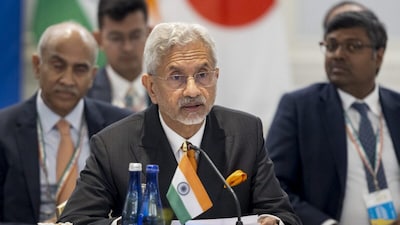
External Affairs Minister S. Jaishankar warned that a convergence of conflicts in Ukraine and West Asia combined with a strong El Niño is disrupting grain shipments and fertilizer supplies, squeezing energy, food, fertilizer, and finance simultaneously.
NOAA reports a strengthening El Niño with a high chance of a historic event persisting through May 2027, peaking when Asia's dry-season crops, Australia's harvest, and southern Africa's maize planting are most exposed. The UN predicts it could push nearly 50 million vulnerable people into acute hunger globally.
Fertilizer shipments have been heavily impacted after the closure of the Strait of Hormuz, which normally carries a large share of global urea, ammonia, and phosphate exports, causing prices to surge sharply and remain elevated. Alongside disruptions in Russia, high prices threaten to force farmers to use less fertilizer, placing crop yields at risk.