Stories
Bare Nails, White Supremacy? Author Challenges BBC's Controversial Claim
F
Firstpost•03-10-2026, 15:58
Bare Nails, White Supremacy? Author Challenges BBC's Controversial Claim
- •An Indian author was shocked to be labeled a "white supremacist" by a now-removed BBC article for having unpainted nails, despite her ethnic and national identity.
- •The BBC story, "How the bare nails trend became a class issue," cited a journalist who claimed unpainted nails promoted "erasure of culture and identity" important to black and brown communities.
- •The author refutes the idea that her bare nails negate her Indianness or that simplicity and minimalism in beauty are inherently racist or classist.
- •She highlights the historical context of painted nails, noting they were unisex and used by royalty and soldiers in ancient times, challenging modern interpretations of them as a subaltern symbol.
- •The article questions the trend of labeling innocuous preferences like unpainted nails as signs of "white supremacy," pointing out other past condemnations of activities like knitting and birdwatching on similar grounds.
Key Questions Answered
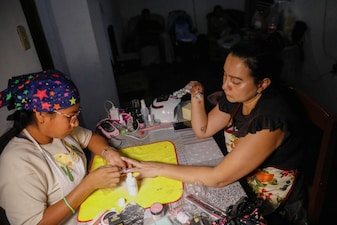
The viral trend of "naked" or unpainted nails sparked a wide conversation about class, privilege, and beauty standards.
Critics argued that promoting natural or bare nails as tasteful and elegant represents an erasure of culture and identity for black and brown communities, framing it around white supremacist standards of beauty.
In ancient Egypt and China around 5,000 years ago, painted and metallic nails were reserved exclusively for royalty and aristocracy.