Stories
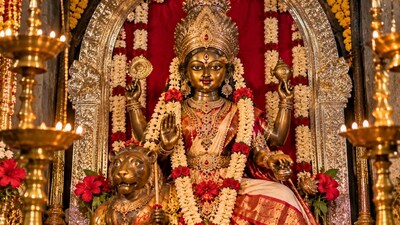
Discovering the 350-year-old Duttapukur Burima Puja and its unique idol

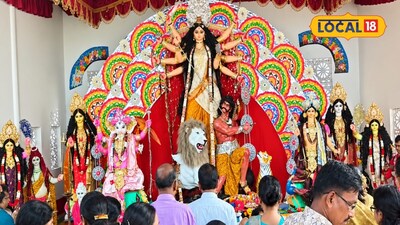
- •The Burimar Dalan in Shibaloy village of Duttapukur hosts one of the oldest Durga Pujas in the district, with a history spanning nearly 350 years.
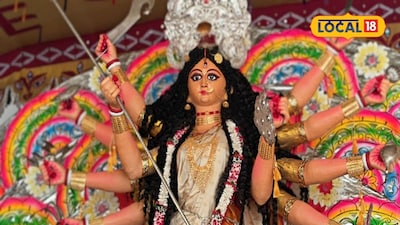
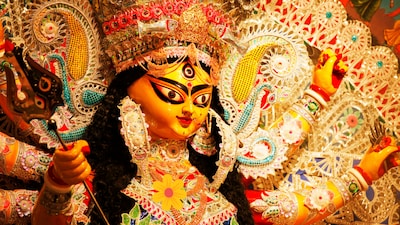
- •Despite being Dashabhuja, only two hands of the Goddess are visible while the remaining eight are hidden behind her hair.
- •According to temple priest Tanmay Chatterjee, this form depicts the Goddess vanquishing her enemies using just two hands during battle.
- •The puja was initiated 350 years ago by Shibchandra Roy, a descendant of King Krishnachandra of Krishnagar, after a divine dream.
- •The puja spans 17 days and serves as a unique symbol of religious harmony with participation from both Hindu and Muslim communities.
Key Questions Answered
Although Goddess Durga is in her ten-armed form, only two of her hands are visible while the remaining eight are hidden behind her hair. Additionally, rather than separate weapons in all ten hands, she holds ten weapons total—five in each hand—using just her two visible hands.
The nearly 350-year-old puja was initiated by Shibchandra Roy, a descendant of King Krishnachandra of Krishnagar. Legend states that Shibchandra got trapped in Duttapukur during a storm while on a boat ride, received a divine dream instructing him to worship the Goddess there, and subsequently founded the puja.
During the immersion procession, the bamboo palanquin carrying the idol is lowered at two specific spots: in front of a Dashabhuja temple and in front of the house of a Muslim man named Rahmat Ali, reflecting local belief and community harmony involving both Hindu and Muslim residents.