Stories
Identity Cards in India: Unveiling the Power of Each Document
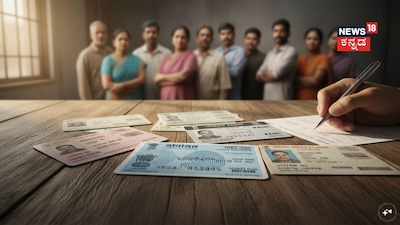
- •India utilizes six primary official identity cards: Aadhaar, PAN, Voter ID, Driving License, Passport, and Ration Card, each serving distinct administrative and legal purposes.
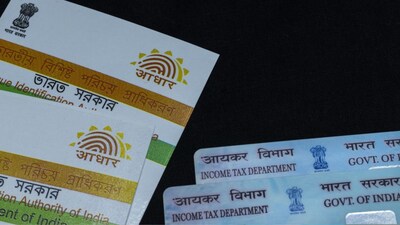
- •Aadhaar Card, issued by UIDAI, features a 12-digit unique number and biometric data, essential for government subsidies, mobile SIMs, and bank accounts.
- •PAN Card, from the Income Tax Department, is a 10-digit alphanumeric code crucial for tax filings, large cash transactions, and financial investments.
- •Voter ID, issued by the Election Commission, certifies a citizen's right to vote and serves as proof of age and residency for various official tasks.
- •Passport, issued by the Ministry of External Affairs, is an international identity document vital for foreign travel, visas, and immigration, also serving as strong domestic proof of address and date of birth.
Key Questions Answered
From a legal and administrative perspective, India primarily designates six official identity documents for its citizens: the Aadhaar Card, PAN Card, Voter ID Card, Driving License, Passport, and Ration Card.
The Aadhaar card is issued by the Unique Identification Authority of India (UIDAI) and features a 12-digit unique number with biometric data. Its main uses include receiving subsidies in government welfare schemes, purchasing new mobile SIM cards, opening savings accounts, and serving as a primary proof of identity and address across the country.
A PAN card, issued by the Income Tax Department, is mandatory for filing Income Tax Returns, executing cash transactions exceeding Rs. 50,000 in banking institutions, investing in the stock market, purchasing mutual funds, opening demat accounts, and buying or selling property.