Stories
How to check if your electricity meter is running too fast at home
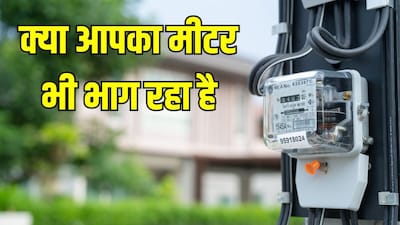
- •High electricity bills often occur due to current leakage or fast-running smart meters in households.
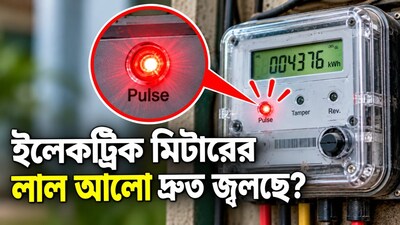
- •You can easily detect current leakage by turning off all appliances and checking if the meter pulse light still blinks.
- •Perform a one-hour load test using a 1000-watt appliance to verify if your electricity meter is reading accurately.
- •Common reasons for fast meters include damaged wiring, high voltage supply, low power factor, and meter calibration faults.
- •If a meter is confirmed to be faulty or running fast, consumers can file a complaint at their local SDO office for replacement.
Key Questions Answered
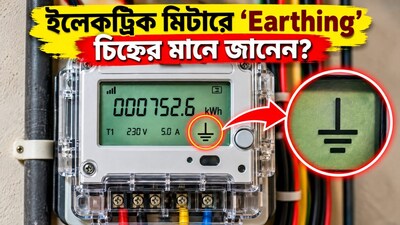
To check for current leakage, turn off all major appliances like the fridge, TV, fans, lights, mobile charger, and inverter, or trip the house's MCB from the main board. Next, observe the red pulse indicator light on the electricity meter; if it is blinking rapidly or the digits are increasing while everything is off, current is leaking in your home wiring.
First, note down the initial kWh reading on your electricity meter display. Then, turn on an exact 1000-watt appliance, such as a room heater, electric iron, or geyser, and let it run continuously for precisely one hour. Record the new reading; if the value has increased between 0.95 and 1.05 units, the meter is working accurately, whereas a higher increase indicates it is running too fast.
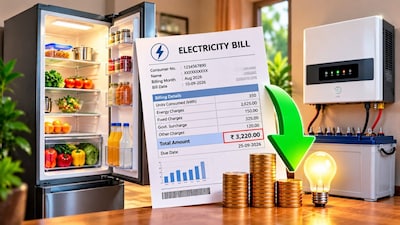
Several factors can cause high bills, including current leakage from damaged wiring insulation and low power factors caused by old inductive loads like refrigerators or non-inverter ACs. Additionally, high grid voltage above 230-240 volts, meter calibration faults from lightning or short circuits, and the high sensitivity of new smart meters that record even 1-watt consumption contribute to higher bills.