Stories
US-Saudi Nuclear Deal: Collateral Damage for Non-Proliferation and Regional Stability
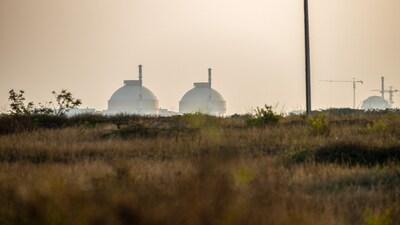
- •The US-Saudi civil nuclear agreement, intended for energy cooperation, has escalated into a complex issue with significant regional repercussions, particularly concerning nuclear proliferation.
- •President Trump initially denied enrichment capabilities for Saudi Arabia but later added a condition: Saudi Arabia must normalize relations with Israel via the Abraham Accords for the deal to proceed.
- •The deal's text contradicts Trump's claims, outlining a pathway for a joint enrichment study within two years, potentially leading to 5% enrichment and further to nearly 20%, which is close to weapons-grade material.
- •This deal undermines the US's 'gold standard' of non-proliferation, set by the 2009 UAE deal, by potentially allowing enrichment, which could prompt other regional partners to renegotiate their terms.
- •The agreement creates collateral damage, weakening US leverage, raising questions about Saudi Arabia's security coherence given its defense ties with Pakistan, and complicating Israel's security concerns.
Key Questions Answered
The US-Saudi civil nuclear agreement is a decades-long, multi-billion-dollar partnership where the US provides nuclear technology to Riyadh for peaceful purposes, including the potential for uranium enrichment. It aims to advance economic and strategic objectives, uphold nonproliferation standards, and strengthen US commercial relations and competitive edge in civil nuclear technology.
President Trump added a condition that Saudi Arabia must normalize relations with Israel through the Abraham Accords for the deal to proceed. This condition was announced days after the deal was initially revealed and is not explicitly written into the accord's text.
While President Trump stated there would be no enrichment, the deal's text indicates that the two countries will conduct a joint enrichment study within two years to assess commercial viability. If agreed upon, American firms could build a facility enriching uranium up to 5%, with potential for further enrichment towards 20%.