Stories
US Intel Warns: Saudi Arabia Not Ruling Out Nuclear Weapons Amid Civilian Deal Scrutiny
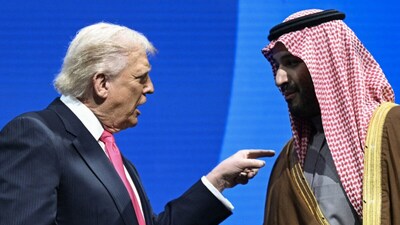
- •A classified US intelligence assessment reportedly provided to Congress indicates Saudi Arabia has not ruled out developing nuclear weapons.
- •This assessment follows a July civil nuclear cooperation agreement between the US and Saudi Arabia, which could enable the kingdom to enrich uranium.
- •The agreement, intended for civilian nuclear programs, has raised concerns among US lawmakers and Israeli officials due to the dual-use nature of uranium enrichment technology.
- •Democratic senators, including Ed Markey and Jeff Merkley, object to the deal, warning that domestic enrichment capabilities could lead to a nuclear weapons program and a regional arms race.
- •Concerns also include potential conflicts of interest involving individuals and companies linked to the Trump administration and the benefits to US nuclear companies from the 30-year agreement.
Key Questions Answered
The US and Saudi Arabia signed a civil nuclear agreement in July designed to support the kingdom's civilian nuclear programme and give US companies a central role in infrastructure development. The 30-year pact could provide a pathway to uranium enrichment on Saudi soil under US-controlled safeguards intended to prevent weaponisation.
Democratic senators, led by Ed Markey and Jeff Merkley, warned US Secretary of State Marco Rubio that allowing Riyadh domestic enrichment capabilities could create a pathway toward a nuclear weapons programme and trigger a regional arms race. They also questioned potential conflicts of interest involving Trump administration connections and a Saudi investment in a fund associated with Jared Kushner.
The civil nuclear agreement was submitted to Congress for review in August. Under US law, lawmakers have 90 days while in session to review the pact, and it can take effect without requiring an affirmative vote unless Congress passes a joint resolution of rejection.