Stories
Ethanol Blending Not India's Oil Shield: Subsidies by Government and OMCs Absorbed Shock
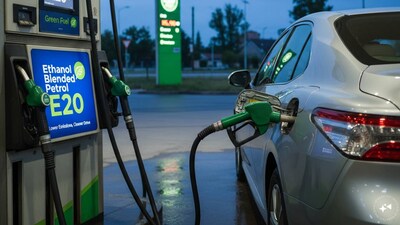
- •Despite a 45% rise in international crude prices, petrol prices in India barely moved due to fiscal support and ethanol blending, protecting consumers but masking true costs.
- •The government and state-owned Oil Marketing Companies (OMCs) absorbed the shock, with subsidies estimated at 0.6% of GDP annually, comparable to the central government's agriculture allocation.
- •Retail prices rose only 7-8%, confirming the burden was largely borne by the government and OMCs due to petrol and diesel being socially sensitive commodities.
- •Ethanol blending, while reducing oil imports and boosting agricultural demand, is not a comprehensive fuel-pricing strategy as it only applies to petrol and vehicles on E20 fuel deliver lower mileage.
- •Masking the true cost of fuel through stable prices, whether via subsidies or hidden mileage costs from ethanol, may undermine energy conservation and delay the transition to a greener economy.
Key Questions Answered
India may withdraw emergency fuel supply measures and review restrictions once the global situation stabilises and supply risks recede. The government's strategy involves using fiscal and administrative steps to manage fuel price volatility and maintain fiscal health.
Ethanol blending can reduce vehicle mileage, with the impact varying depending on the vehicle and the percentage of ethanol in the fuel. The Automotive Research Association of India (ARAI) indicates a mileage reduction of 1% to 6%. The Indian government has acknowledged that E20 fuel, which contains 20% ethanol, can decrease fuel economy by 3% to 5%.
The true costs of India's fuel subsidies include the government cutting excise duties and public sector oil marketing companies (OMCs) absorbing losses. OMCs faced record high under-recoveries, which is the difference between their cost and the retail selling price.