Stories
How India Can Turn the Global AI Absorption Gap into a Massive Export Engine

- •While nearly 90 percent of companies use AI, only 6 percent report a meaningful impact on operating profit because they have failed to fundamentally redesign their workflows around the technology.
- •Closing the AI implementation gap requires labor-intensive work such as mapping processes, cleaning data, building software agents, and retraining staff, creating a massive global demand for services.
- •India holds strong advantages with over 2,100 global capability centres, top-ranked AI skill penetration, and nearly 22 million developers registered on GitHub.
- •To seize this opportunity, India must establish robust AI assurance and certification regimes, secure EU data adequacy status, and shift from selling billing hours to delivering outcome-based products.
Key Questions Answered
While nearly nine in ten companies use AI in their businesses, only 37% note any impact on operating profit and just 6% see a meaningful impact. This discrepancy occurs because organizations have added chatbots to pre-AI workflows rather than fundamentally redesigning how work gets done around the new technology.
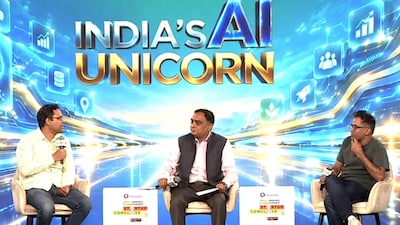
MeitY Secretary S Krishnan along with tech leaders like Nandan Nilekani and Srikanth Velamakanni view AI as a potential Y2K moment because closing the enterprise implementation gap requires extensive, people-heavy work like mapping workflows, cleaning data, and retraining staff. Similar to the 1999 software crisis, India possesses massive engineering talent and thousands of global capability centres well-positioned to handle this deployment wave.
India should establish a trusted certification regime for testing and auditing AI agents, accelerate data protection rules to secure EU adequacy status, and fund specialized training focused on workflow redesign. Additionally, the government should provide R&D credits for agent platforms, tie GCC national policies to AI mandates, and earmark public compute capacity for firms serving global clients.