Stories
Depriving citizens of votes makes them second-class: Justice Ujjal Bhuyan
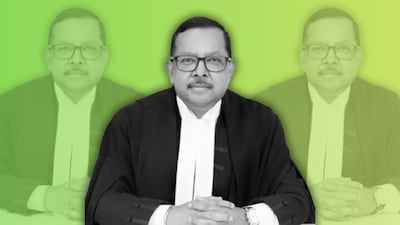
- •Justice Ujjal Bhuyan stated that any process depriving millions of Indian citizens of their right to vote would be arbitrary.
- •He emphasized that the Indian Constitution does not envision two classes of citizens: one with voting rights and one without.
- •Justice Bhuyan highlighted the need for legal safeguards, including notice and hearing, before removing names from the voter list.
- •Former Supreme Court judge Justice Rohinton Fali Nariman also expressed concerns regarding the Election Commission and voting rights.
- •Nariman questioned the large-scale removal of names from voter lists and the executive's role in appointing election commissioners.
Key Questions Answered
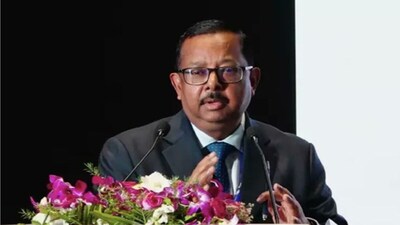
Supreme Court Judge Justice Ujjal Bhuyan stated that any process depriving millions of Indian citizens of their right to vote and turning them into 'second-class citizens' is arbitrary and cannot be justified by any 'ifs and buts'. Speaking at NALSAR University of Law, he noted that the Constitution does not divide citizens into two classes and that such exclusions violate Articles 14 and 326.
Citing the 1995 case of Lal Babu Hussain v. Electoral Registration Officer, Justice Bhuyan emphasized that except for deceased voters, names entered in the electoral roll should not be removed without prior notice and a proper opportunity for a hearing.
Former Supreme Court judge Justice Rohinton Fali Nariman raised concerns over the large-scale removal of names from voter lists and criticized the executive's role in appointing election commissioners under a 2023 law that replaced the Chief Justice of India with a cabinet minister.