Stories
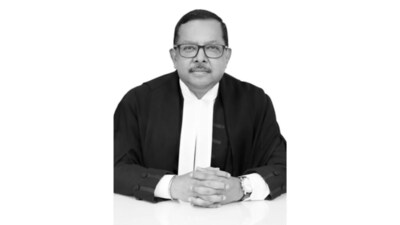
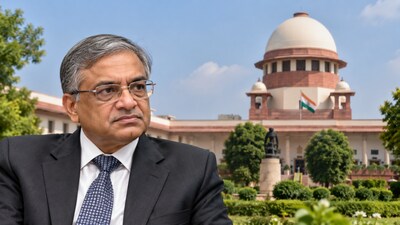
Justice Ujjal Bhuyan: Disenfranchising Citizens Negates Constitutional Order
M
Moneycontrol•04-10-2026, 22:41
Justice Ujjal Bhuyan: Disenfranchising Citizens Negates Constitutional Order
- •Supreme Court Justice Ujjal Bhuyan stated that any process disenfranchising millions of Indian citizens is arbitrary and negates the constitutional order, emphasizing that "no amount of whataboutery" can justify it.
- •Justice Bhuyan highlighted that the Indian Constitution does not provide for two classes of citizens—one with voting rights and another without, asserting that such a process violates Articles 326 and 14.
- •He stressed that the right to vote is not merely a statutory right but a constitutional right, forming a distinct part of democracy and positioning itself within the basic structure of the Constitution.
- •Justice Bhuyan affirmed that the right to vote is intertwined with India's struggle for freedom, and Article 326 cannot be altered, as no authority, court, or individual is above the Constitution.
- •He noted that a voter's name cannot be deleted from the electoral roll without notice and a hearing, except in the case of a deceased person, likening the removal of voting rights to taking the soul from the body.
Key Questions Answered
According to Supreme Court judge Justice Ujjal Bhuyan, any process leading to the wholesale disenfranchisement of Indian citizens violates Articles 326 and 14 of the Constitution.
Justice Bhuyan stated that the right to vote is not merely a statutory right from parliamentary legislation, but a constitutional right forming a distinct part of democracy and the basic structure of the Constitution.
Section 22 permits the deletion of a voter's entry only after the voter has been given a reasonable opportunity of being heard, and names cannot be deleted without notice and a hearing except for deceased persons.