Stories
Inside The Centuries-Old Traditions Behind Bengal Durga Puja
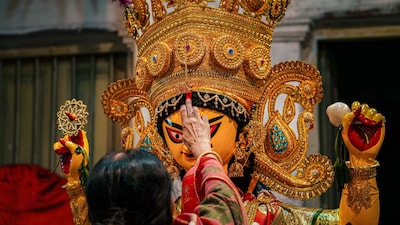
- •Bengal celebrates different kinds of Durga Puja, each with its own history, rules, and connection to authenticity.
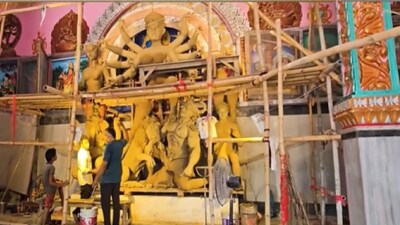
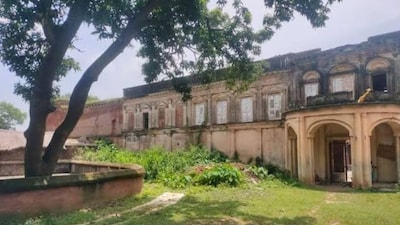
- •Bonedi Bari pujas are organized by aristocratic zamindar and merchant families, preserving ancestral customs and family histories dating back centuries.
- •Barowari pujas originated when a group of twelve friends pooled their resources to organize a community celebration after being excluded from private household events.
- •Sarbojanin means for everyone, representing community-driven celebrations that became spaces for social gatherings and nationalist activity during the freedom struggle.
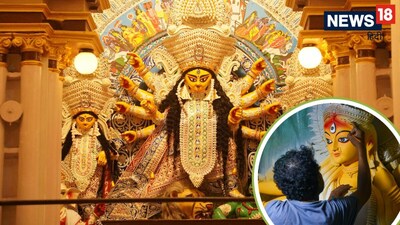
- •Today, Sarbojanin Durga Puja features elaborate pandals and artistic themes while maintaining the central act of worshipping Maa Durga.
Key Questions Answered
Bonedi Bari Durga Puja traditions are traditionally organized by aristocratic zamindar and merchant families, preserving ancestral customs and family legacies. Notable examples include the Sabarna Roy Choudhury family's puja in Barisha dating back to 1610 and the Sovabazar Rajbari Puja which began in 1757.
The Barowari tradition started when a group of twelve friends in Guptipara, Hooghly, decided to organize their own Durga Puja after being excluded from a private household celebration. They pooled their resources and sought public contributions, marking an important shift toward collective worship beyond wealthy family walls.
Sarbojanin Durga Puja, meaning 'for everyone', is organized for the wider community through public participation and collective contributions. Bagbazar became a major landmark for this movement in Kolkata during the early twentieth century, evolving into spaces for social gatherings, nationalist activity during the freedom struggle, and elaborate artistic pandals today.