Stories
Psychology Explains Why You Stop Liking Posts When Others Don't Reciprocate
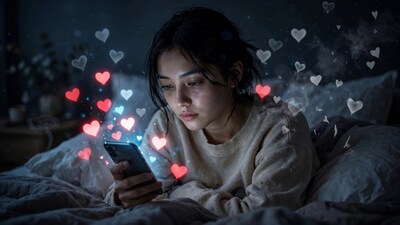
- •Social psychologists study reciprocity, the tendency to return social behavior, and online, likes are easily quantifiable signals of attention.
- •Your brain tracks fairness in relationships, and social media makes these 'invisible calculations' visible, showing who engages with your content.
- •A 'like' is a small act of attention, but its absence can feel significant, leading to questions about why someone doesn't reciprocate.
- •You are more likely to notice a lack of likes from people who matter to you, as the meaning of the behavior depends on the relationship.
- •Sometimes, stopping likes is a 'silent experiment' to see if others notice or reciprocate, or it can be a way to recalibrate effort in a relationship.
Key Questions Answered
Social psychologists explain this through reciprocity, which is the tendency to return another person's social behaviour. Human relationships involve invisible calculations of fairness, and social media turns these interactions into visible metrics. When someone consistently fails to return a like, you may pull back to preserve self-respect or stop putting more energy into the connection than you receive.
Social comparison research indicates that social media makes comparisons easier because interactions are constantly visible. When you notice someone liking everyone else's photographs, you shift from wondering why they skipped yours to asking why they engage with everyone else. This visibility can make a tiny digital action feel much larger than it actually is.
Yes, people sometimes stop liking posts as a silent experiment to see if the other person notices, messages, or suddenly starts liking their content again. However, this experiment rarely provides clear answers because the other person might be busy, unaware they are being measured, or simply not keeping track at all.