Stories
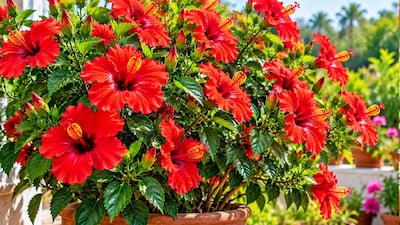
Hibiscus Leaves Turning Yellow? Check These 5 Things to Save Your Plant's Health Now!
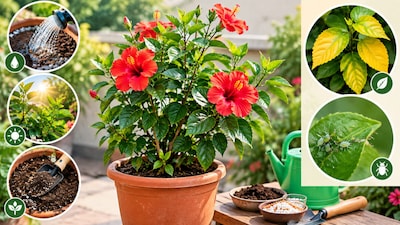
- •Yellowing hibiscus leaves indicate care issues; check water, sunlight, soil, nutrients, and pests.
- •Avoid overwatering; continuous waterlogging harms roots and causes leaves to yellow. Check soil moisture before watering.
- •Do not let soil dry out completely; repeated drying can cause wilting and yellowing of leaves.
- •Ensure adequate natural light; low light weakens growth and affects leaf color. Place the plant in a well-lit area.
- •Inspect soil structure and nutrient levels; check for pests under leaves and on stems for early intervention.
Key Questions Answered
Yellowing leaves on a hibiscus plant can indicate small care mistakes involving water, sunlight, soil, nutrients, or pests. To address this, check the soil moisture to avoid overwatering or completely drying out the soil, ensure the plant receives adequate natural light, inspect the soil structure and drainage, and check for hidden pests underneath the leaves.
Yes, continuous waterlogging in the pot's soil creates a lack of air around the roots, which affects root health and causes the leaves to turn yellow. Instead of watering a fixed amount daily, check if the top layer of soil is wet and ensure the pot has proper drainage holes.
Keeping a hibiscus plant continuously in a low-light area can lead to weak growth and affect the color of its leaves. Placing the plant where it receives adequate natural light is essential, though sudden placement in very strong sunlight during intense heat should be avoided.