Stories
Gel Nail Polish: Harmful or Safe? Expert Reveals Risks, Safety Tips, and Who Should Avoid It.
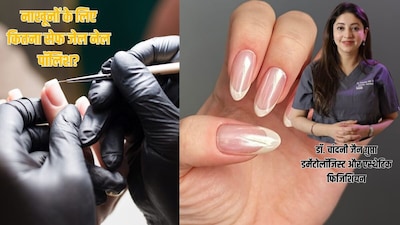
- •Gel nail polish curing uses UV and LED lights, risking premature skin aging and UV damage with repeated exposure.
- •Some individuals may develop allergic contact dermatitis from acrylates or methacrylates in gel products, causing swelling, itching, or redness.
- •People with existing nail issues like fungus, bacterial infections, or thin/weak nails should avoid gel polish until problems resolve.
- •Remove gel polish by soaking with acetone, not by peeling or scraping, to prevent nail damage; allow nails to heal between applications.
- •Reduce frequency of gel nail use, avoid excessive filing, minimize UV exposure, keep hands clean, and moisturize nails regularly.
Key Questions Answered
Repeated exposure to ultraviolet and LED lights used to cure gel polish can cause premature skin aging and UV damage. Additionally, acrylates or methacrylates in the products can trigger allergic contact dermatitis, leading to symptoms like swelling, itching, burning, or redness around the nails.
People who have previously experienced allergies to gel products should avoid them. Furthermore, individuals with existing nail issues such as fungus, bacterial infections, abnormal discoloration, swelling, cuts, wounds, or thin and weak nails should refrain from using gel polish until these problems are fully resolved.
Gel polish should never be peeled, pulled, or forcibly scraped off. Instead, it should be soaked off with acetone in a controlled manner before gently removing the polish, and any necessary filing must be done slowly to prevent excessively thinning the natural nail.