Stories
Easy Home Remedies To Distinguish Between Real And Fake Spices
N
News18•14-10-2026, 13:24
Easy Home Remedies To Distinguish Between Real And Fake Spices
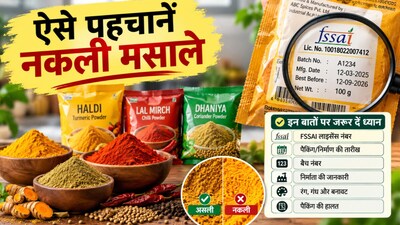
- •Spices are essential in Indian kitchens, but increasing demand has led to the sale of adulterated spices mixed with artificial colors, chalk powder, or brick dust.
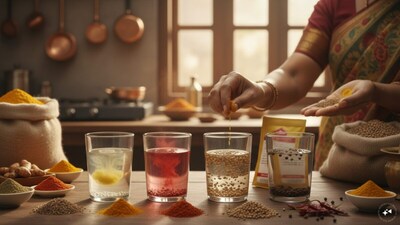
- •To test turmeric, put a pinch in water; if it releases color immediately and leaves particles at the bottom, it may be adulterated.
- •Red chili powder often contains brick dust or synthetic color, which can be identified by testing it in a glass of water.
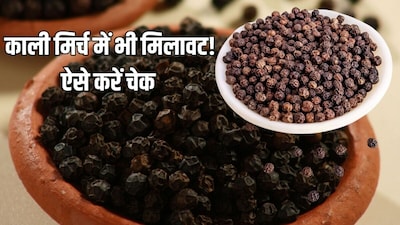
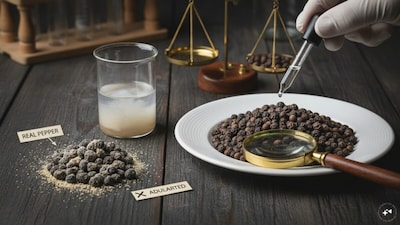
- •Dried papaya seeds are sometimes mixed with black pepper; real black pepper sinks to the bottom in water, while fake seeds float.
- •Buy whole spices instead of ground powders as much as possible and grind them at home to avoid adulteration and maintain quality.
Key Questions Answered
To test turmeric, put a pinch of it into a glass of water. If it releases color immediately and leaves white or other particles at the bottom, it may be adulterated, whereas pure turmeric dissolves slowly and keeps a natural yellow color.
You can test red chili powder by adding a little bit of it into a glass of water. If the color spreads quickly and heavy particles settle at the bottom, it indicates potential adulteration.
Place a few black pepper seeds in a glass of water. Real black pepper generally sinks to the bottom, while lightweight fake seeds, such as dried papaya seeds, tend to float on the surface.