Stories
Dal Khichdi vs Poha: Which is Better for Weight Loss and Digestion?
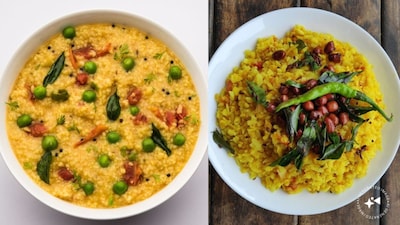
- •Dal Khichdi and Poha are popular Indian dishes, both light and easy to prepare, often considered for weight loss and digestion.
- •Dal Khichdi, made from rice and lentils (mostly moong dal), offers a balanced mix of carbs, plant protein (8-12g), and fiber (3-5g), with 200-260 calories per bowl.
- •Ayurveda considers moong dal khichdi easily digestible, soothing for the stomach, and beneficial for satiety due to its protein and fiber content, aiding weight loss.
- •Poha (flattened rice) is pre-digested, making it easy to digest and a good source of iron, providing quick energy with 200-280 calories per plate.
- •For weight loss, Dal Khichdi is slightly better due to its higher protein and fiber keeping you full longer; Poha is ideal for breakfast but may not sustain hunger for extended periods.
Key Questions Answered
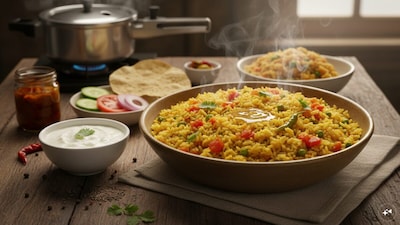
Dal khichdi contains a balanced amount of carbohydrates, plant protein, and fiber that slowly raise blood sugar and keep you feeling full for a longer time. Its simple composition and soft moong dal make it easily digestible and gentle on sensitive stomachs.
Poha is light on the stomach, quick to prepare, and provides quick energy, making it a popular choice for breakfast. Because the paddy is parboiled and flattened, its starch is partially digested beforehand, and it is rich in iron, which is beneficial for people with anemia.
Dal khichdi is slightly better for weight loss because the protein and fiber in lentils reduce hunger and provide lasting satiety. While poha is low in calories, its lightness can lead to overeating, and adding heavy ingredients increases its overall calorie count.