Stories
Beyond Stretching: 5 Diet Essentials for a Flexible Body

- •Body flexibility is influenced not just by stretching, but also by diet, which maintains muscles, joints, and overall body function.
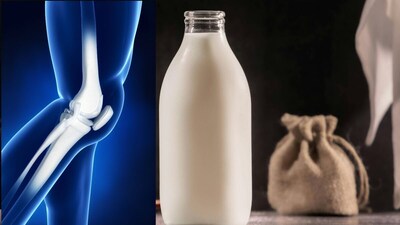
- •Protein is crucial for strong muscles; sources include eggs, milk, soy, and chicken, aiding muscle repair and recovery.
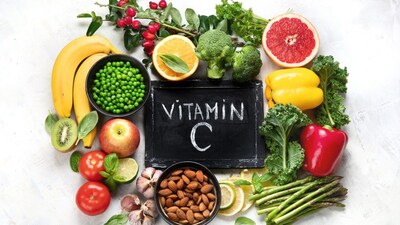
- •Vitamin C, found in amla, guava, oranges, and lemons, is essential for collagen production, supporting skin, bones, and joints.
- •Magnesium, present in almonds, cashews, and spinach, plays a vital role in normal muscle and nerve function.
- •Omega-3 fatty acids from walnuts, flaxseeds, and chia seeds help regulate inflammation, and adequate water intake is also key for an active body.
Key Questions Answered
To support muscle health and overall flexibility, your diet should include protein-rich foods like eggs, milk, yogurt, soy, and chicken, as well as vitamin C-rich fruits and vegetables like amla, guava, and oranges. Additionally, consuming magnesium from nuts, seeds, and leafy greens, omega-3 fatty acids from walnuts and flaxseeds, and drinking enough water are essential.
Protein provides essential amino acids that help repair and recover muscles after the stress of workouts or physical activity. While protein does not directly increase body flexibility, maintaining strong and healthy muscles is vital for better body movement and support.
Vitamin C is required by the body to produce collagen, which is an important protein playing a key role in the structure of the skin, bones, joints, and other tissues. Including vitamin C-rich foods like lemons, kiwis, tomatoes, and capsicum benefits the general health of these body parts.